Tag: graphite

  • Flight Along the Hillside

    Flight Along the Hillside

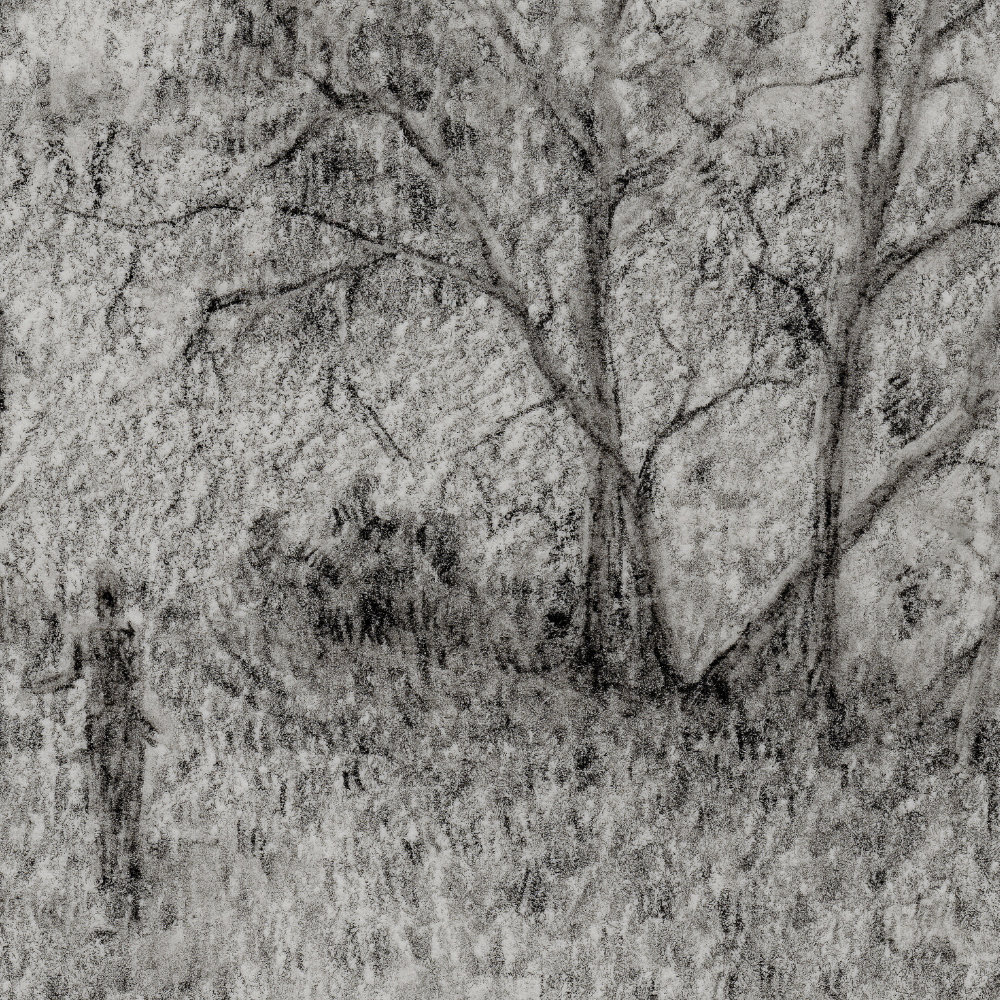
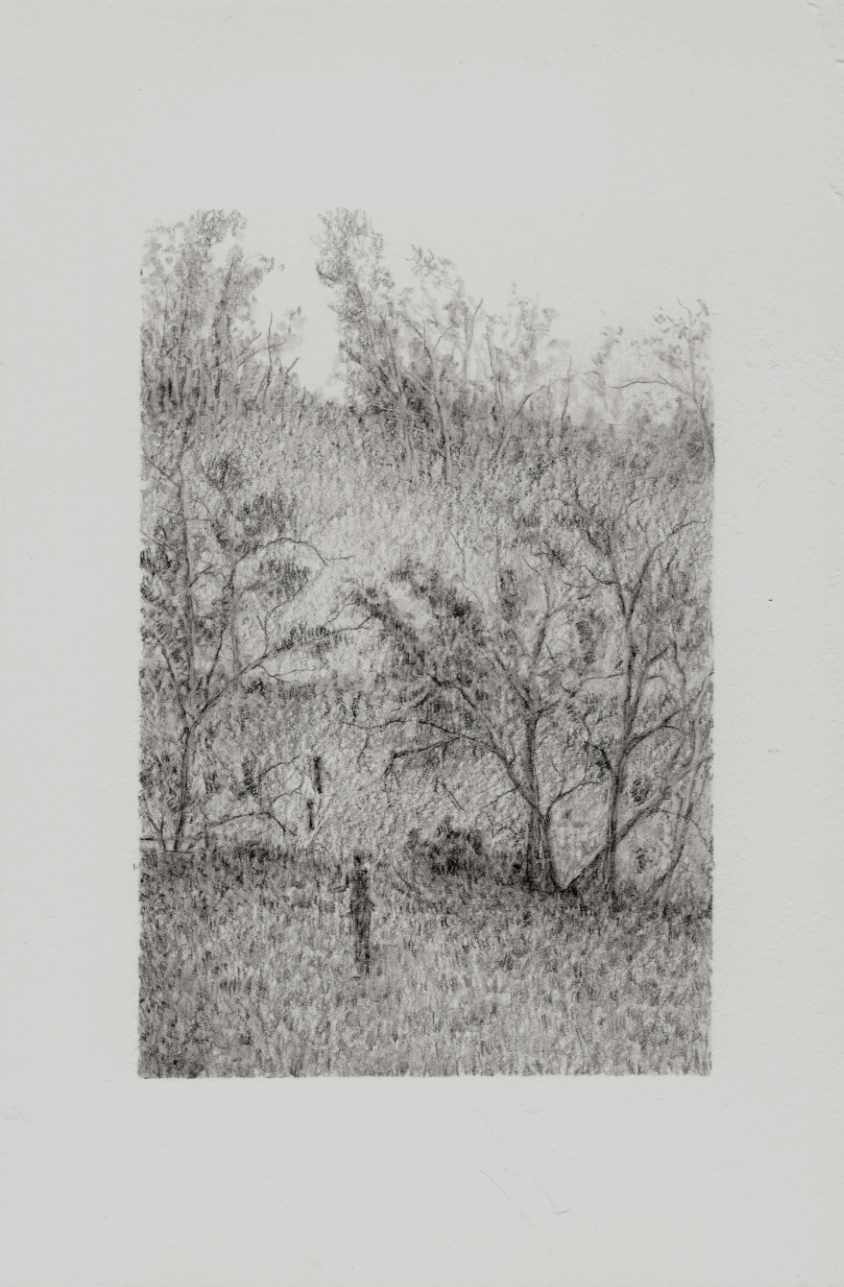
    This graphite piece pushes the themes of isolation and the unknown into an active, high-tension narrative. Moving away from the static, contemplative vigils of the earlier drawings, here we see a lone figure running directly toward the viewer through a dense, textured field.

    The friction in the scene stems from what lingers just behind. Framed by bare, sprawling trees in the midground and the hazy canopy of the woods beyond, subtle marks in the graphite suggest additional figures watching or giving chase. Are they pursuers, ancient presences emerging from the tree line, or mere tricks of light in the overgrowth? Leaving those forms as vague impressions lets the viewer feel the urgency of the moment without spelling out the conclusion.

    Technically, the drawing was completed on Strathmore heavyweight paper using Staedtler graphite pencils. Staedtler lead offers crisp, controllable gradations that work exceptionally well across a textured ground. I used light, soft shading to establish the misty depth of the woods, while applying sharper, darker strokes to build the chaotic rhythm of the field and the sharp silhouette of the fleeing figure.
  • Solitary Traverse

    Solitary Traverse

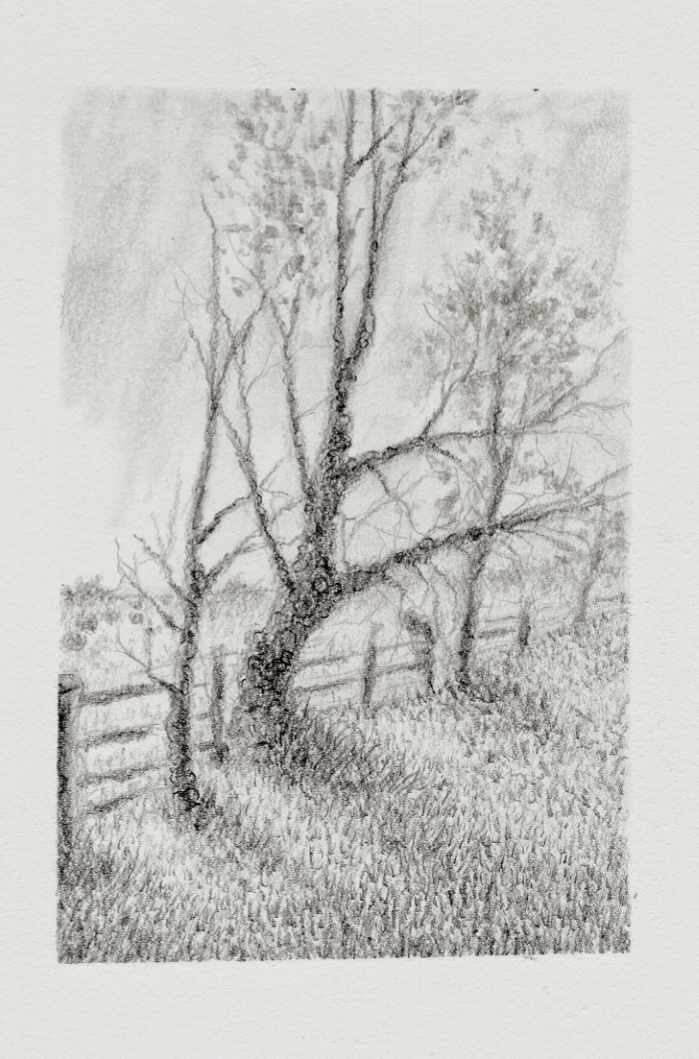
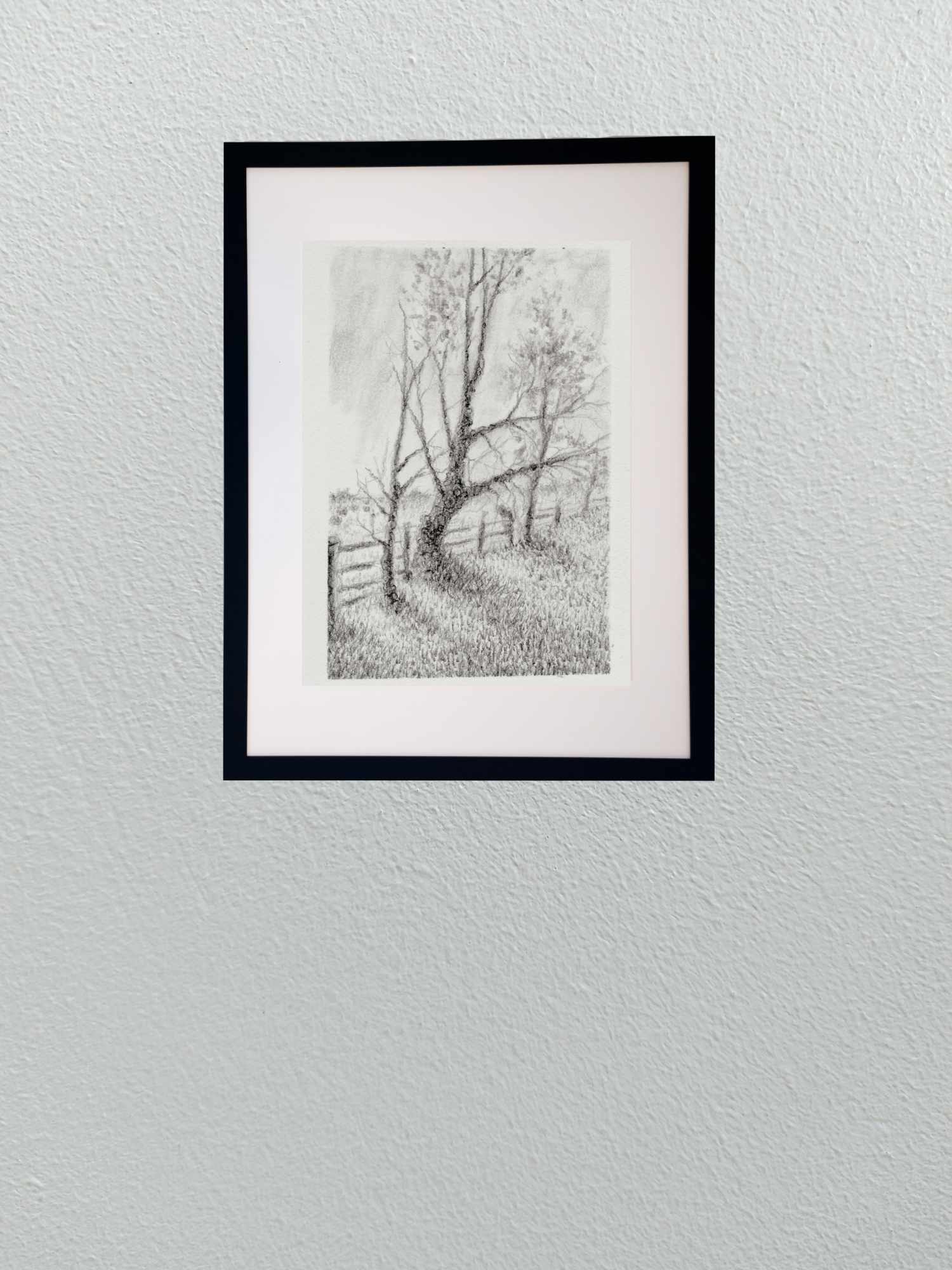
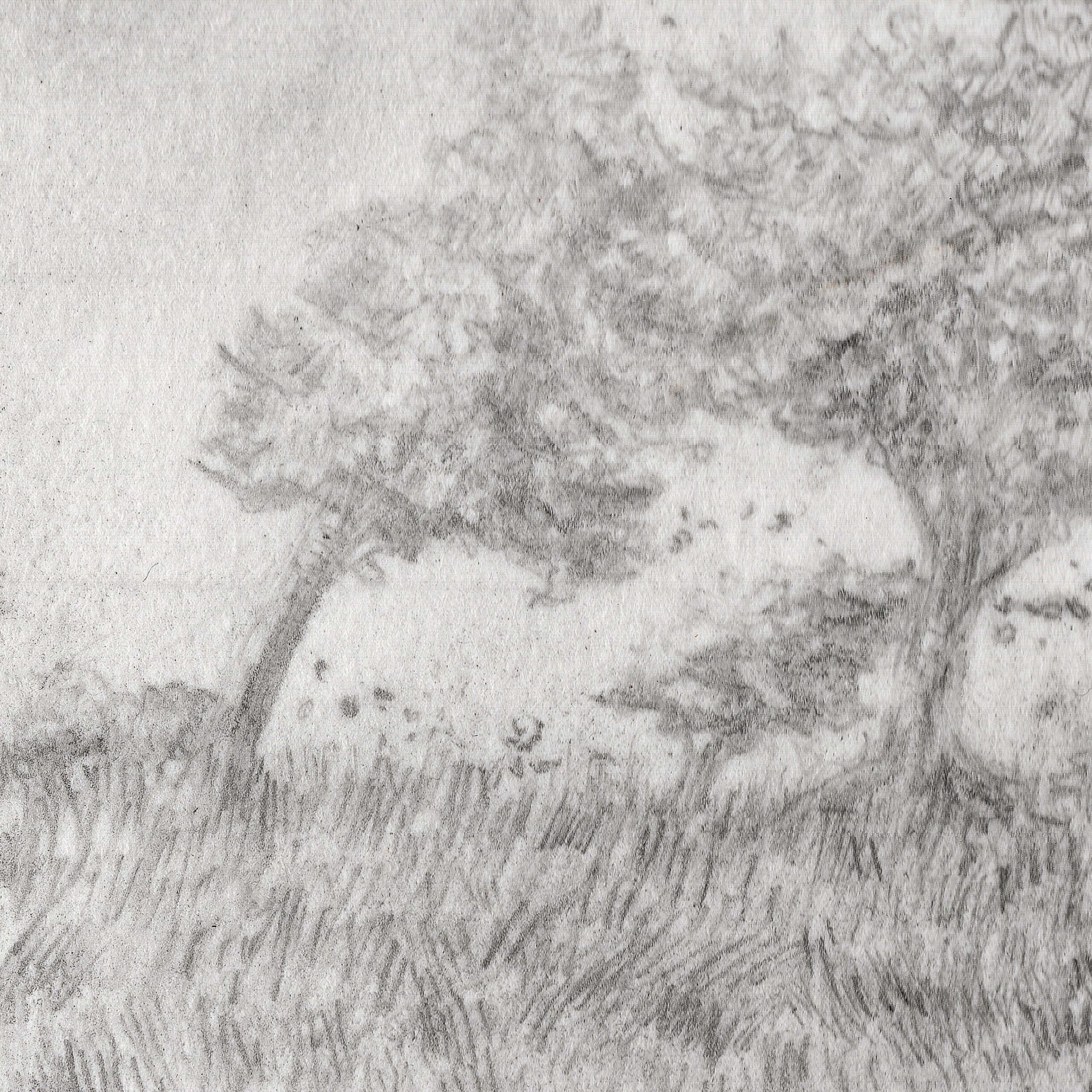
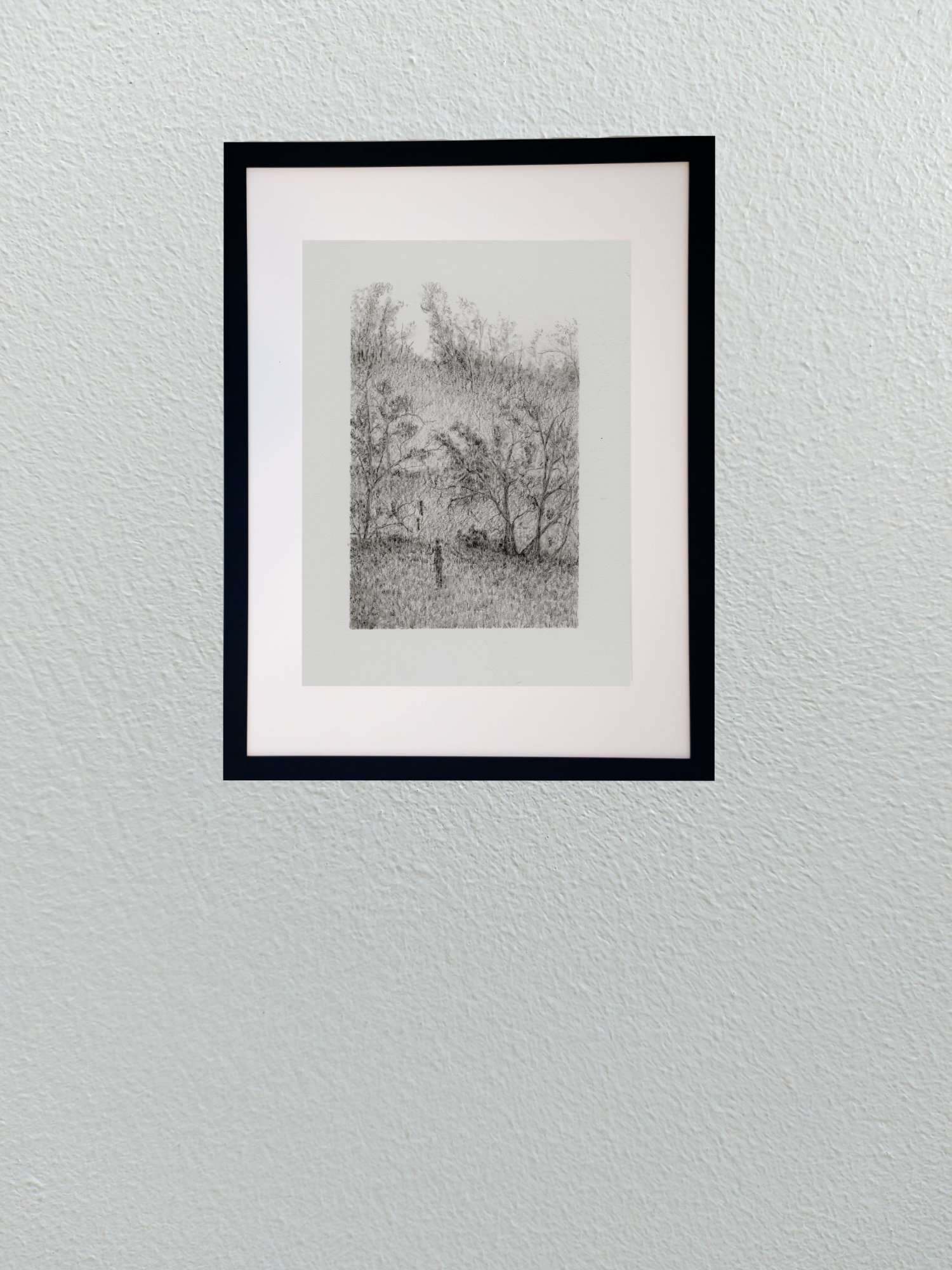
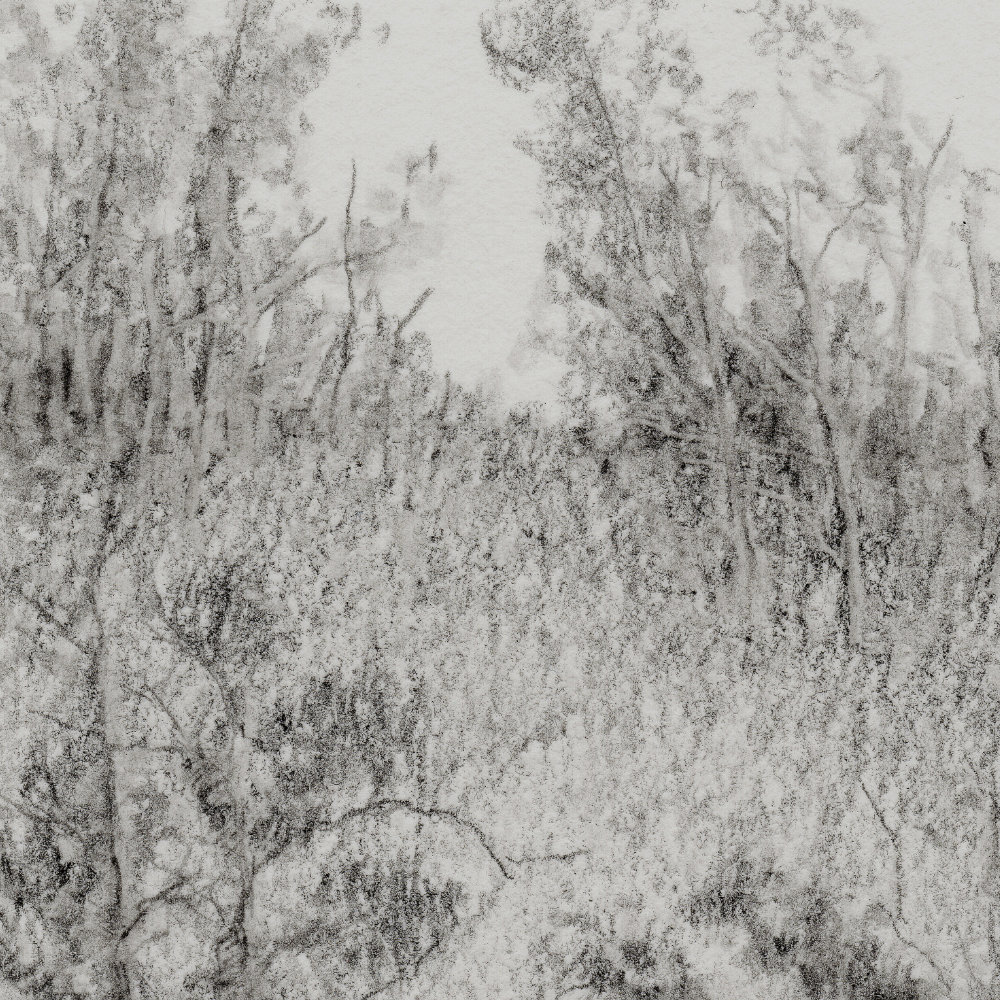
    This graphite drawing steps back into a quiet, atmospheric space, continuing my exploration of solitude, loss, and the unknown. At first glance, the composition presents a familiar rural vista: a weathered fence line tracing the curve of a hill, distant hay bales resting in the pasture, and a small cluster of bare trees leaning against the sky.

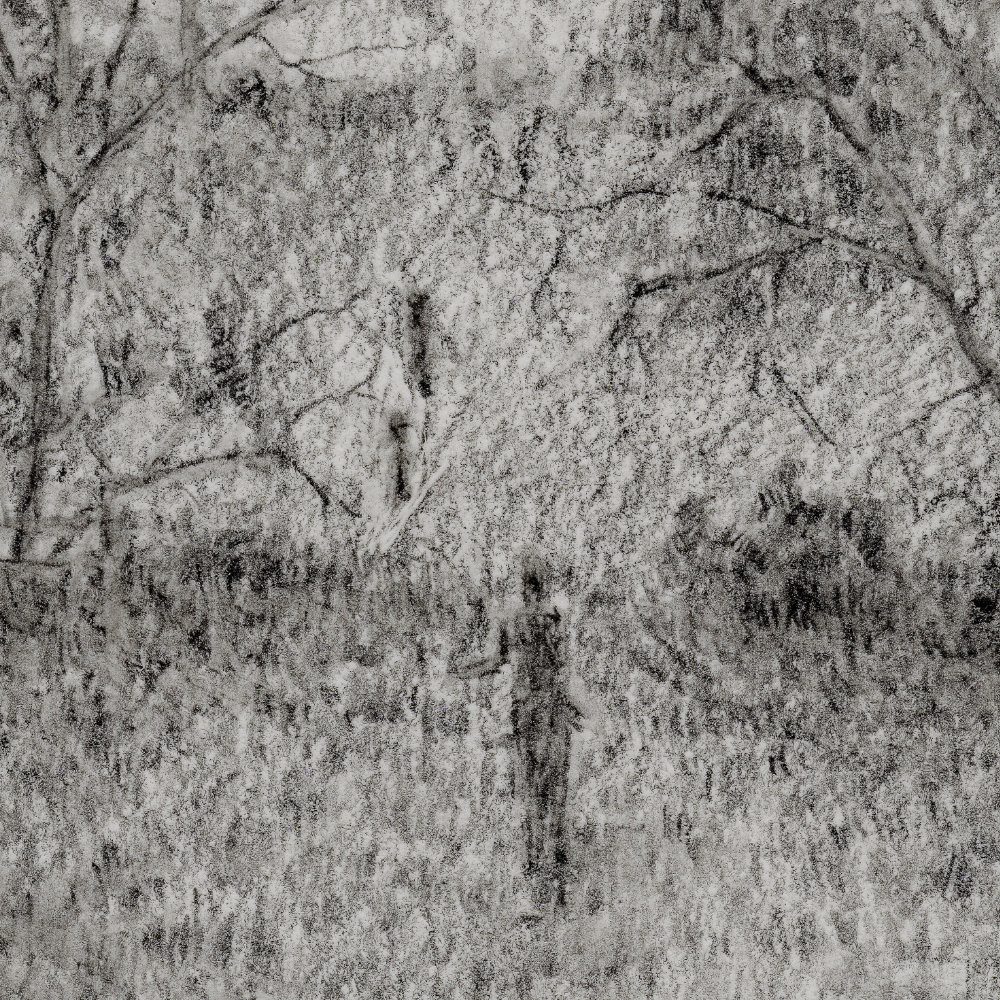
    Looking closer between the trunks reveals a faint, subtly shaded figure walking along the boundary. That quiet presence shifts the entire mood of the scene, turning a simple field study into a contemplative moment of transition. Is it a wanderer passing through, or an echo tied to these quiet acres? Leaving that narrative open allows the viewer to project their own sense of memory and stillness into the frame.

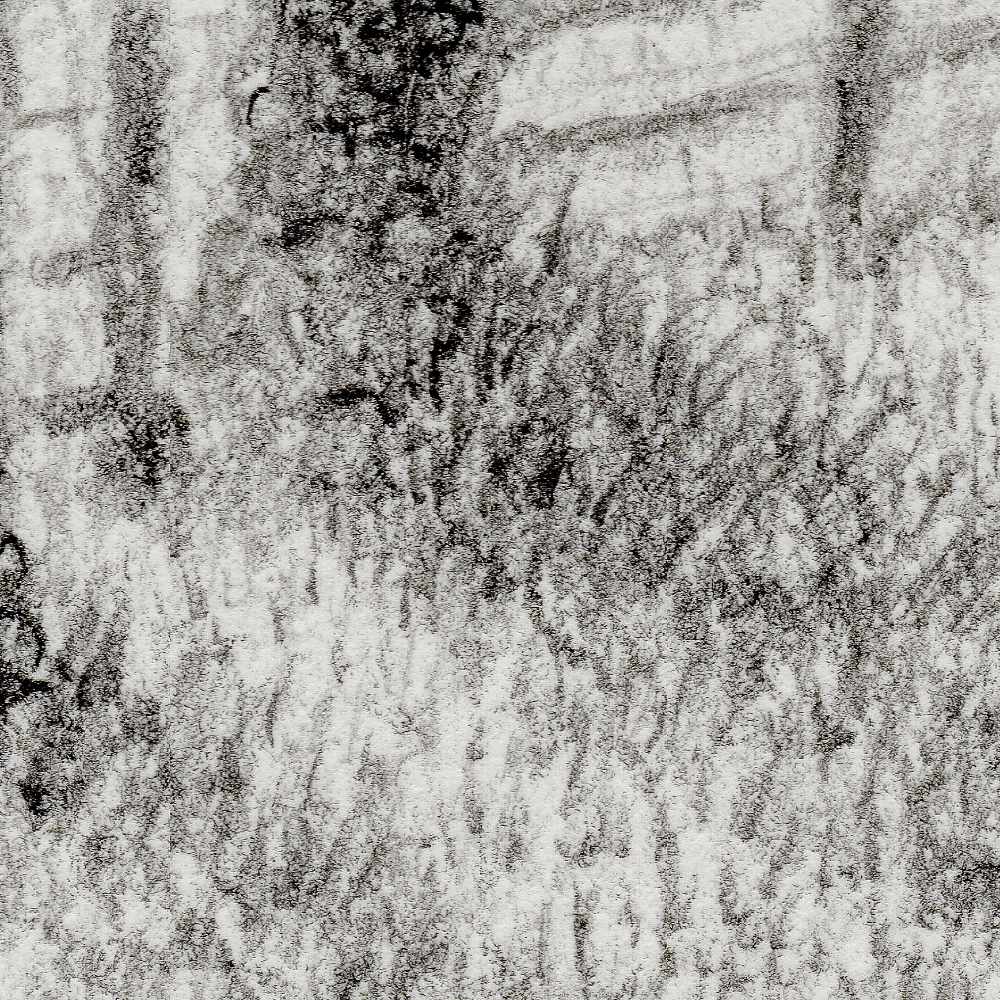
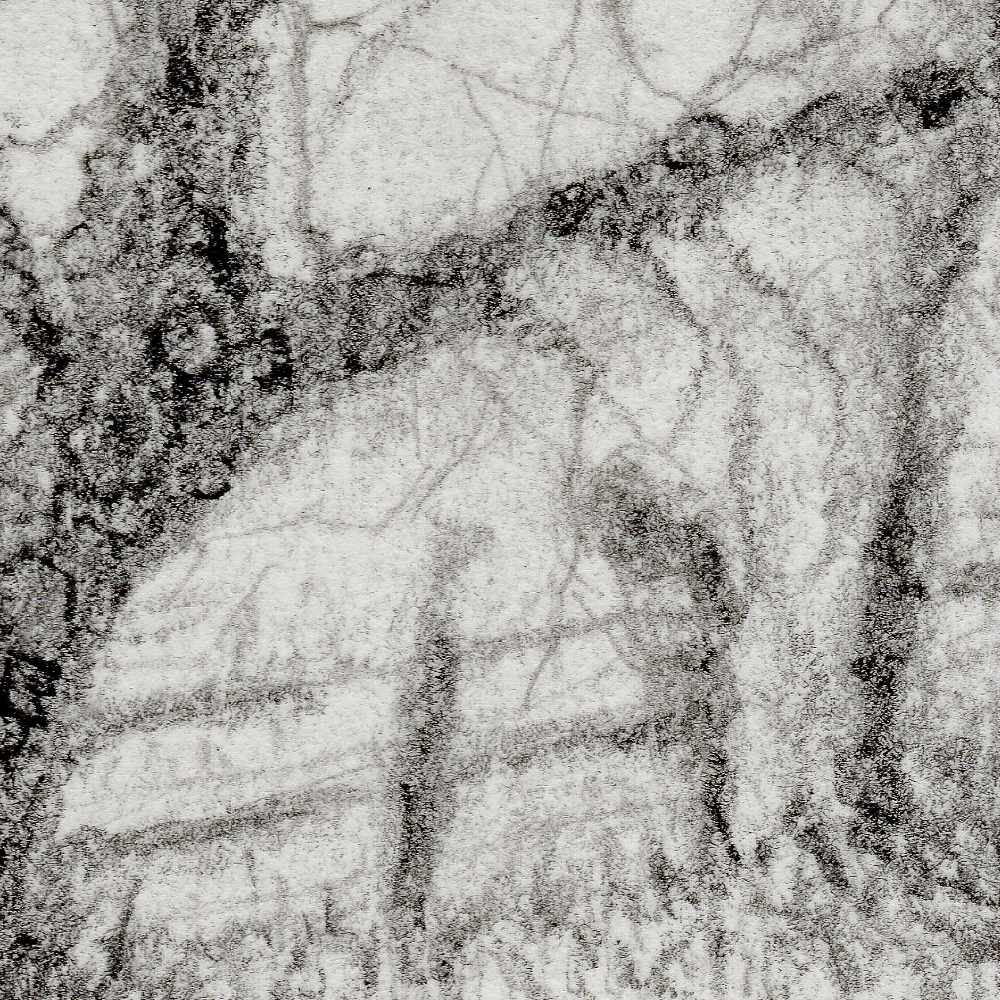
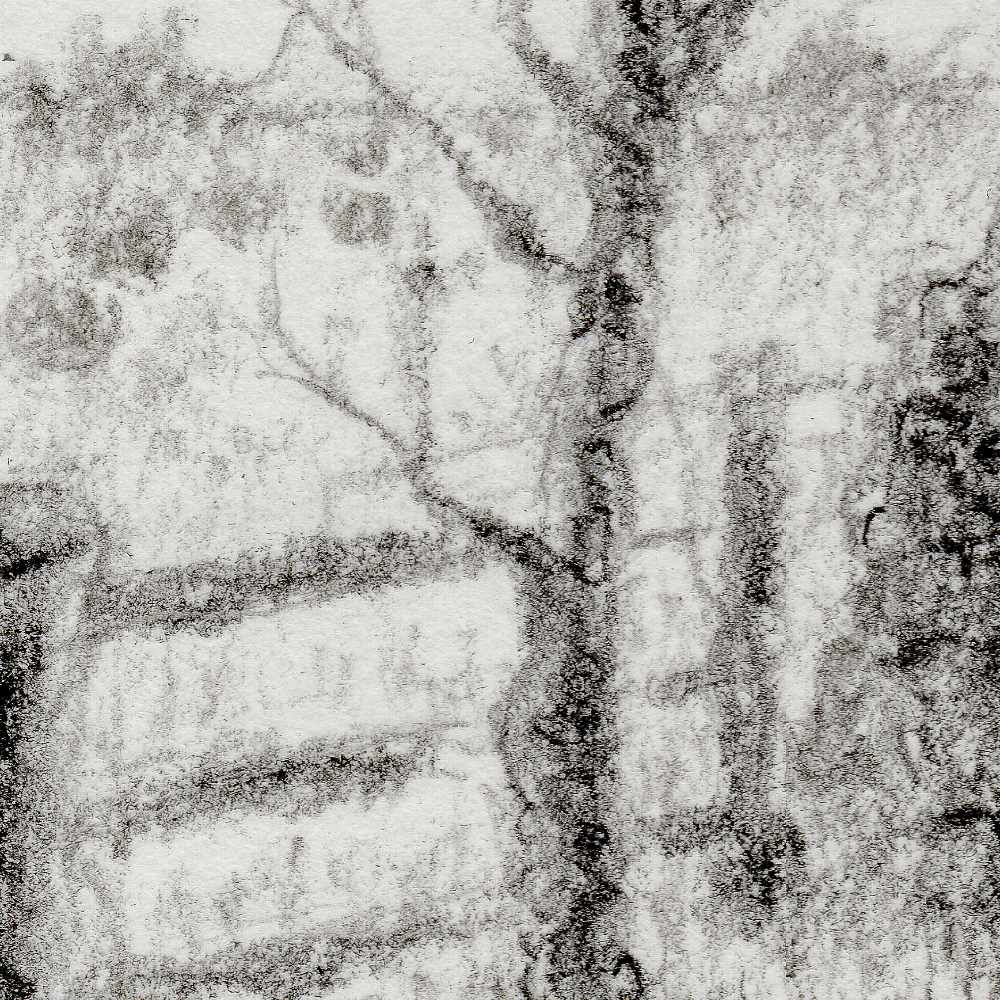
    Technically, the piece was completed on Strathmore heavyweight mixed media paper using Winsor & Newton medium graphite pencils. The pencils were a blind buy, but their soft, creamy graphite application laid down rich, dark values on the textured surface. The natural tooth of the heavyweight paper grabs the medium cleanly, creating a soft, stippled grain in the grass and sky while letting the darker graphite build dense, tactile fissures along the tree bark.


  • Sedge Walking

    Sedge Walking

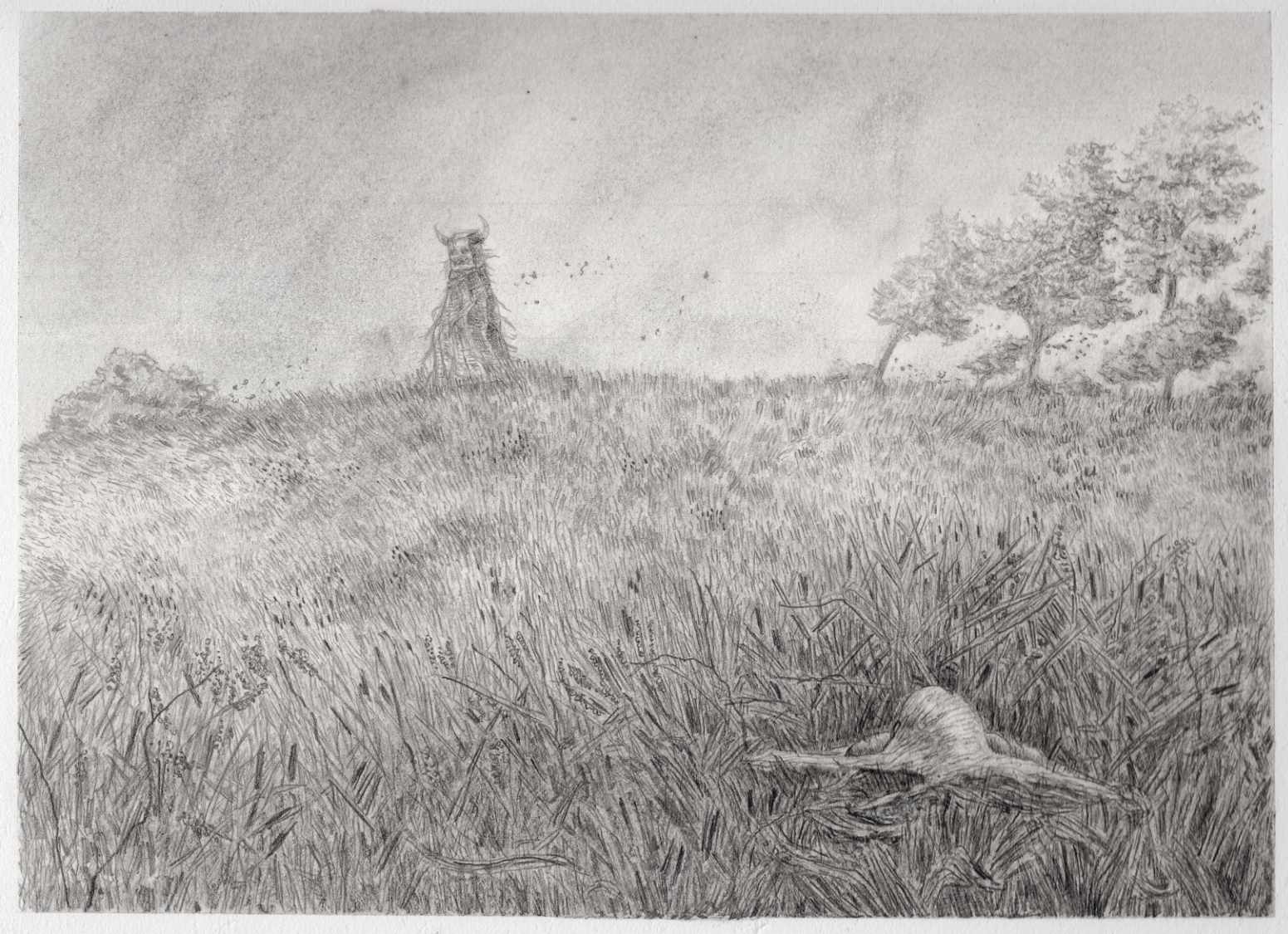
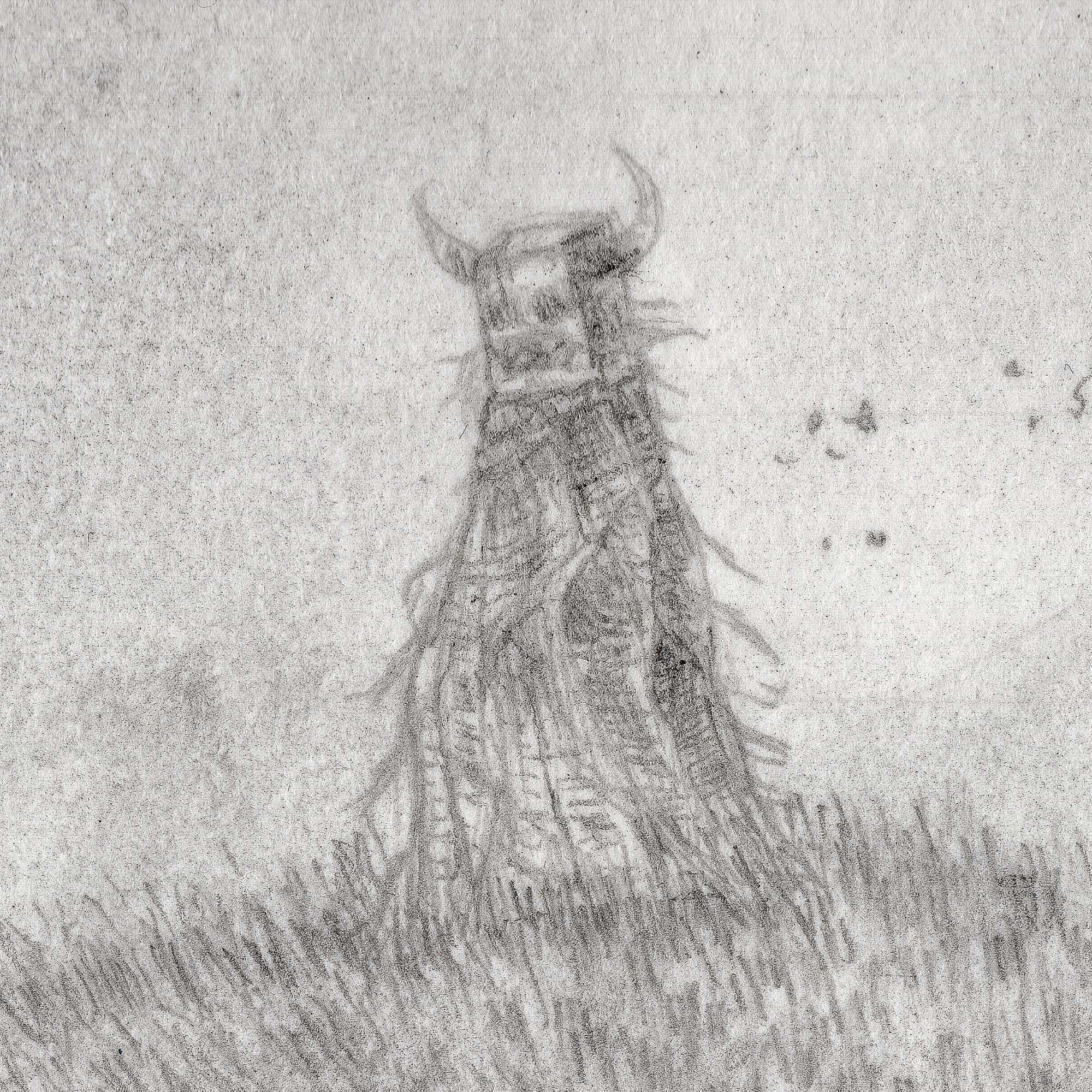
    This pencil sketch is the first concrete concept for a new direction I’m exploring. The series centers on the quiet, ancient presence that occupies our fields and prairies, using a recurring horned entity as a narrative anchor. I’ve been drawing inspiration from the looming, watchful nature of old-world land spirits like the Leshen, mixing that folklore with the indifferent vastness of our own open plains.

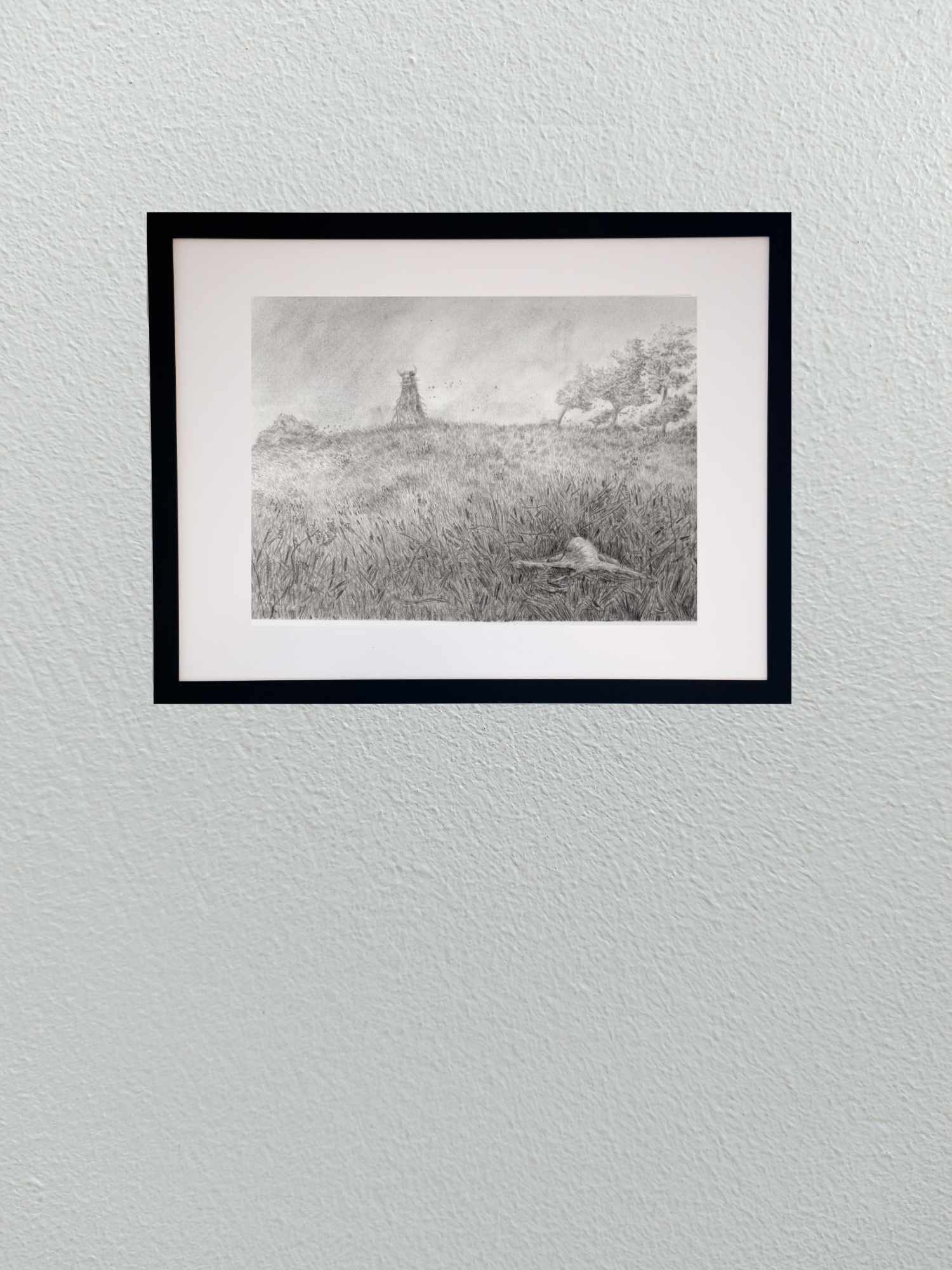
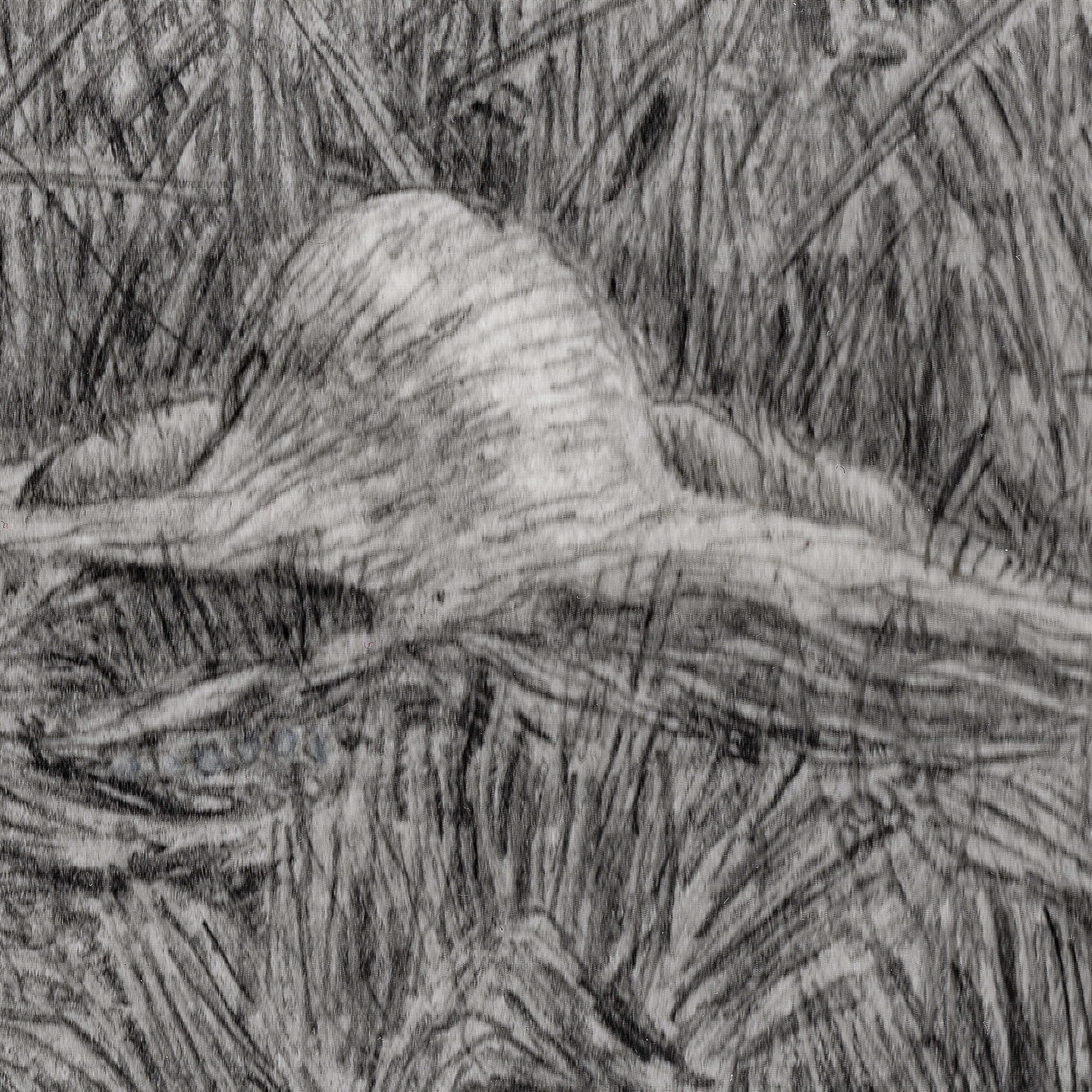
    With this specific piece, titled Sedge Walking, I wanted to play with a very quiet, localized scale of cosmic ambiguity. On first glance, you see the entity cresting the far ridge line, surveying the landscape. But if you look closer at the foreground, tangled and collapsed beneath the rough blades of the sedge, there is a second figure.

    By pulling that detail into the frame, the entire relationship shifts. It moves the work into a space of forlorn loss and raises questions I have no intention of answering cleanly. Is this ancient presence an active participant in this person’s quiet end, or is it merely a cosmic custodian performing the final, silent funeral rites for what the earth reclaims? Is it a protector, or an accountant taking a cold inventory of the decay?

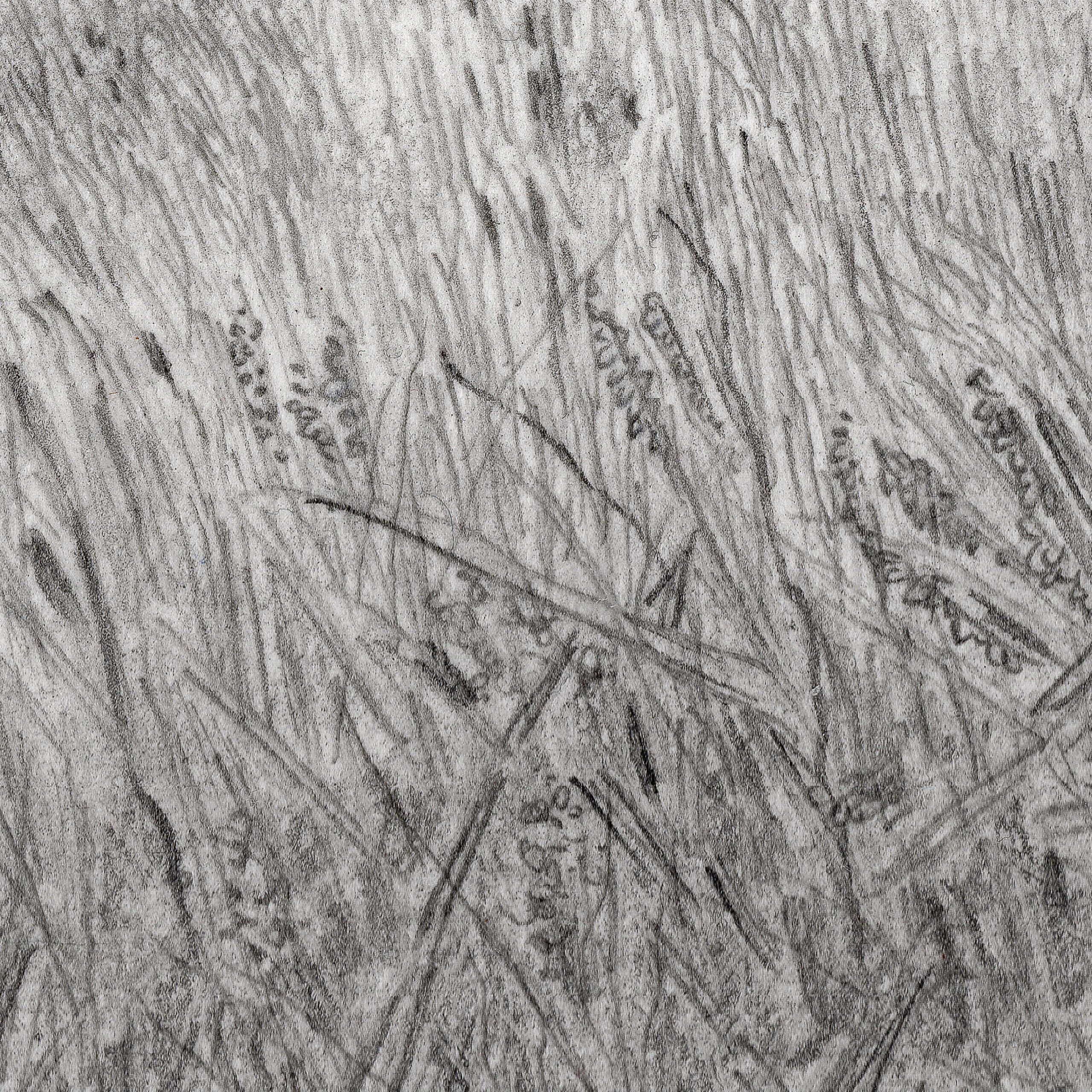
    Technically, keeping this in pure pencil on cold press paper allowed me to focus entirely on the texture and the weight of the environment. The fine, dense linework builds the chaotic grain of the grass, burying the foreground figure in a way that forces the viewer to slow down and actually look for the story. Future pieces will continue to track this entityโ€”or the trailing remnants of its presenceโ€”through various field settings, establishing a running dialogue between the observer and the soil.