Tag: infinitepainter

  • The Throat

    The Throat

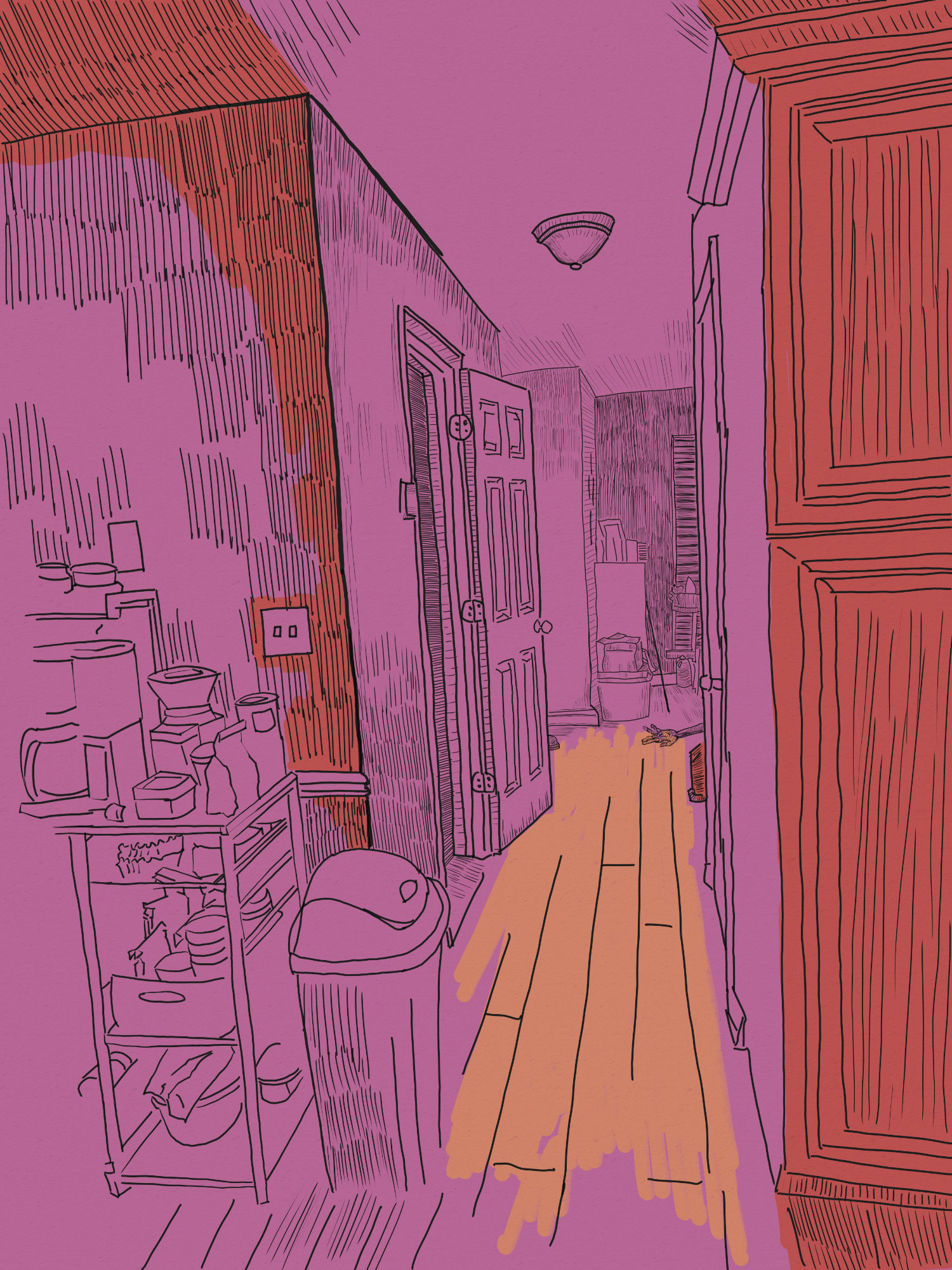
    A feeling, a raw, visceral clench when a familiar space turns on you. The air is thick, humming, and the walls are a sick, fleshy pink. The lines all scrape inward, pulling you, forcing you down toward the dark.

    Everything here is designed to mimic that tightening in your own gullet. That patch of light on the floor isn’t a welcome. It’s a stain. It’s what the darkness leaves behind.

    But the real horror is in the details. Go on, look closer. Lean into the shadows at the end of the hall. See what’s been left on the floor.

    This is the digital version. The physical one is clawing its way into existence even as we speak.

    Technical Details:

    • Samsung Tab9 Ultra
    • Infinite Painter
  • Dragon Tree

    Dragon Tree

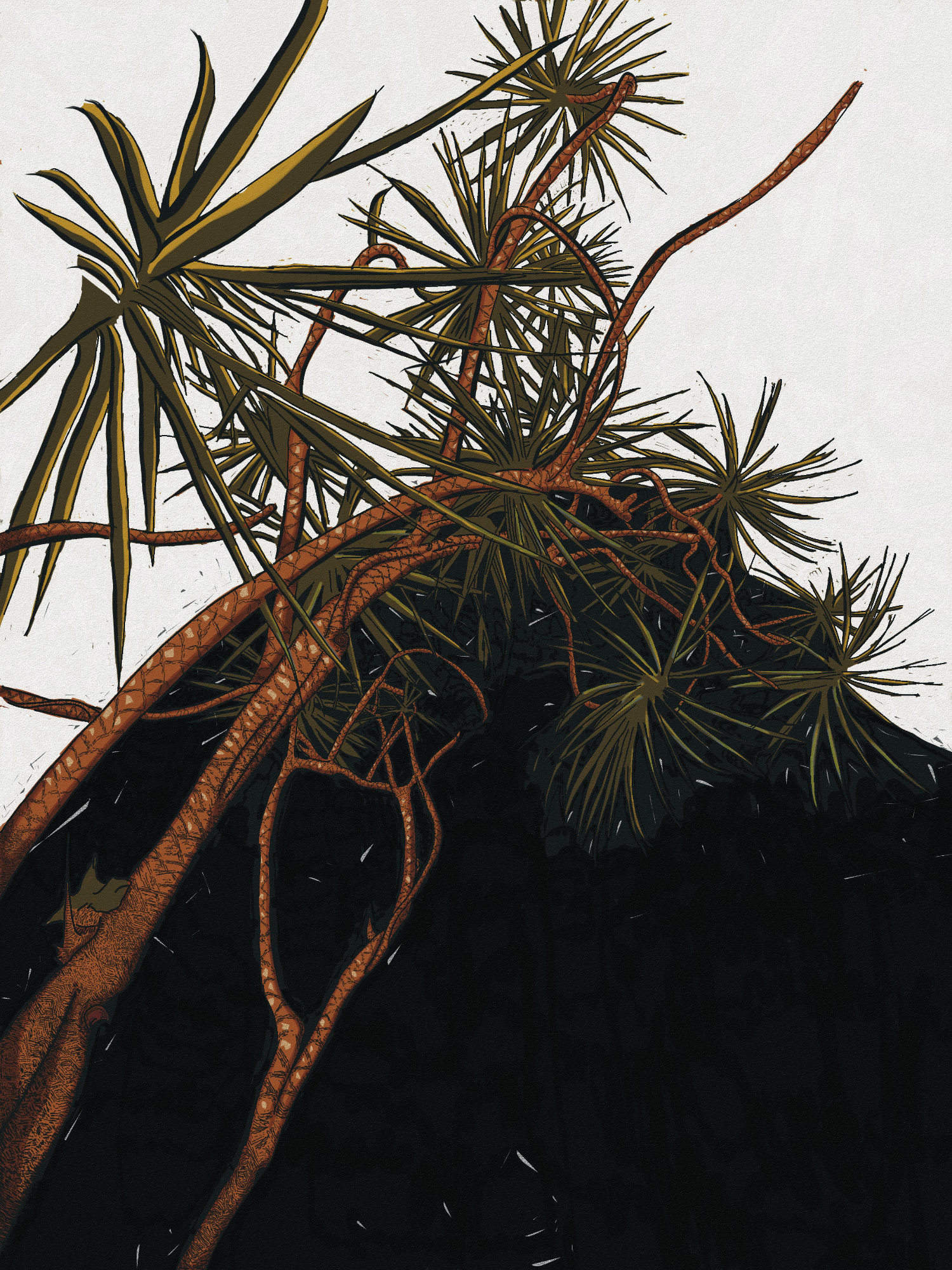
    The first in a new conceptual series exploring the “Dragon Tree.”

    I’ve always been fascinated by the line between a botanical specimen and its mythological namesake. This piece, inspired by a tree at the Georgia Botanical Gardens, imagines the “dragon” brooding in darkness and finally breaking free.

    To capture this, I chose the graphic language of a woodcut. The heavy use of black and the stark contrast aren’t just for drama; they represent the chasm from which the form emerges. The low, upward angle is meant to feel confrontational, putting the viewer at the base of this powerful, uncoiling creature. It’s a study in using negative space and bold lines to tell a story of transformation.

    Technical Details:

    • Samsung Tab9 Ultra
    • Infinite Painter
  • Facing the Silence

    Facing the Silence

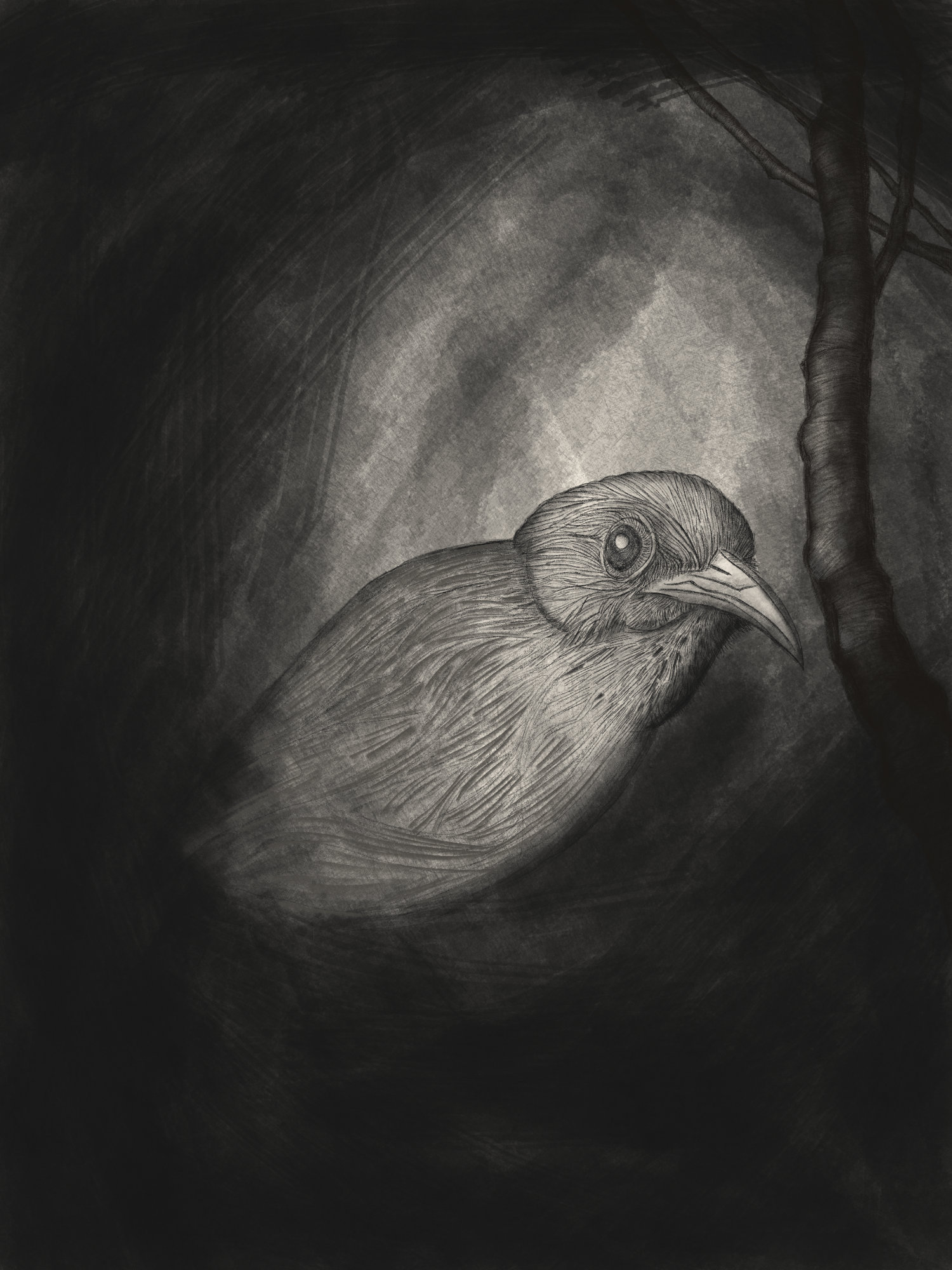
    This digital illustration, rendered in Infinite Painter on a Samsung Tab9 Ultra, delves into the profound sorrow of extinction through the form of the Kauai-oo, a bird whose final song was one of solitude. My intent was to visually capture the harrowing dread of being the last living member of a species, poised on the brink of ultimate disappearance. The piece seeks to portray that agonizing moment of looking out into a world devoid of your own kind, burdened by an unbearable loneliness, yet perhaps holding onto a fragile hope for release from this existential weight through the impossible discovery of another.

    Beyond the tragic fate of this specific creature, the illustration serves as a mirror reflecting the human condition. It speaks to our inherent loneliness and the primal fear, dread, longing, and nostalgia that surface when confronted with existential moments—be it personal mortality, the loss of what we know, or circumstances beyond our control. The Kauai-oo’s solitary vigil becomes a poignant symbol for these universal feelings, exploring how even in the face of immense, external forces, the internal landscape is shaped by an overwhelming sense of isolation and a yearning for connection that can never be fulfilled.

    Technical Details:

    • Samsung Tab9 Ultra
    • Infinite Painter
  • The Weight of Lastness

    The Weight of Lastness

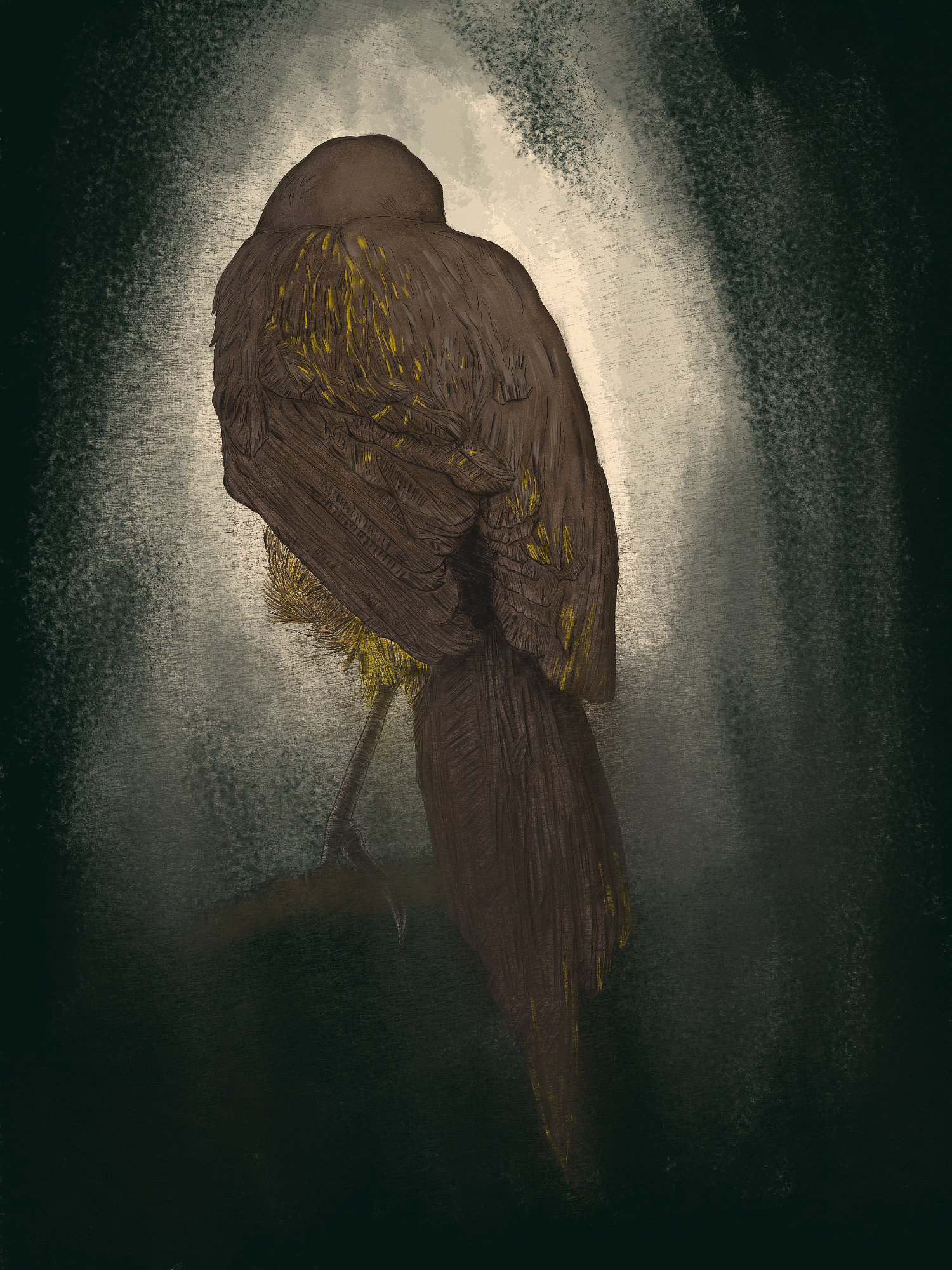
    Continuing the visual narrative of the Kauai-oo’s final moments, this second piece shifts focus to the act of looking outwards, a posture imbued with profound symbolic weight. The composition emphasizes the bird’s gaze beyond the immediate frame, a silent witness to an empty horizon where no response awaits its call. Through this outward orientation, the illustration aims to capture not just the physical state of being alone, but the immense existential burden of that isolation, the quiet horror of confronting a future—or lack thereof—where one’s existence has no continuation or reflection.

    The interplay of shade and light becomes a crucial visual language in conveying this sense of finality and dread. Deep shadows often encroach upon the form, symbolizing the encroaching darkness of extinction and the heavy, suffocating weight of being the last. Conversely, areas of light, perhaps stark or distant, highlight the bird’s solitary presence against an indifferent backdrop, underscoring the stark reality of its situation and the ultimate, inescapable nature of its end. These elements combine to evoke the universal human experience of facing moments of absolute powerlessness and the deep, visceral fear that accompanies the contemplation of finality and irreparable loss.

    Technical Details:

    • Samsung Tab9 Ultra
    • Infinite Painter
  • A Visit to the Daffodils

    A Visit to the Daffodils

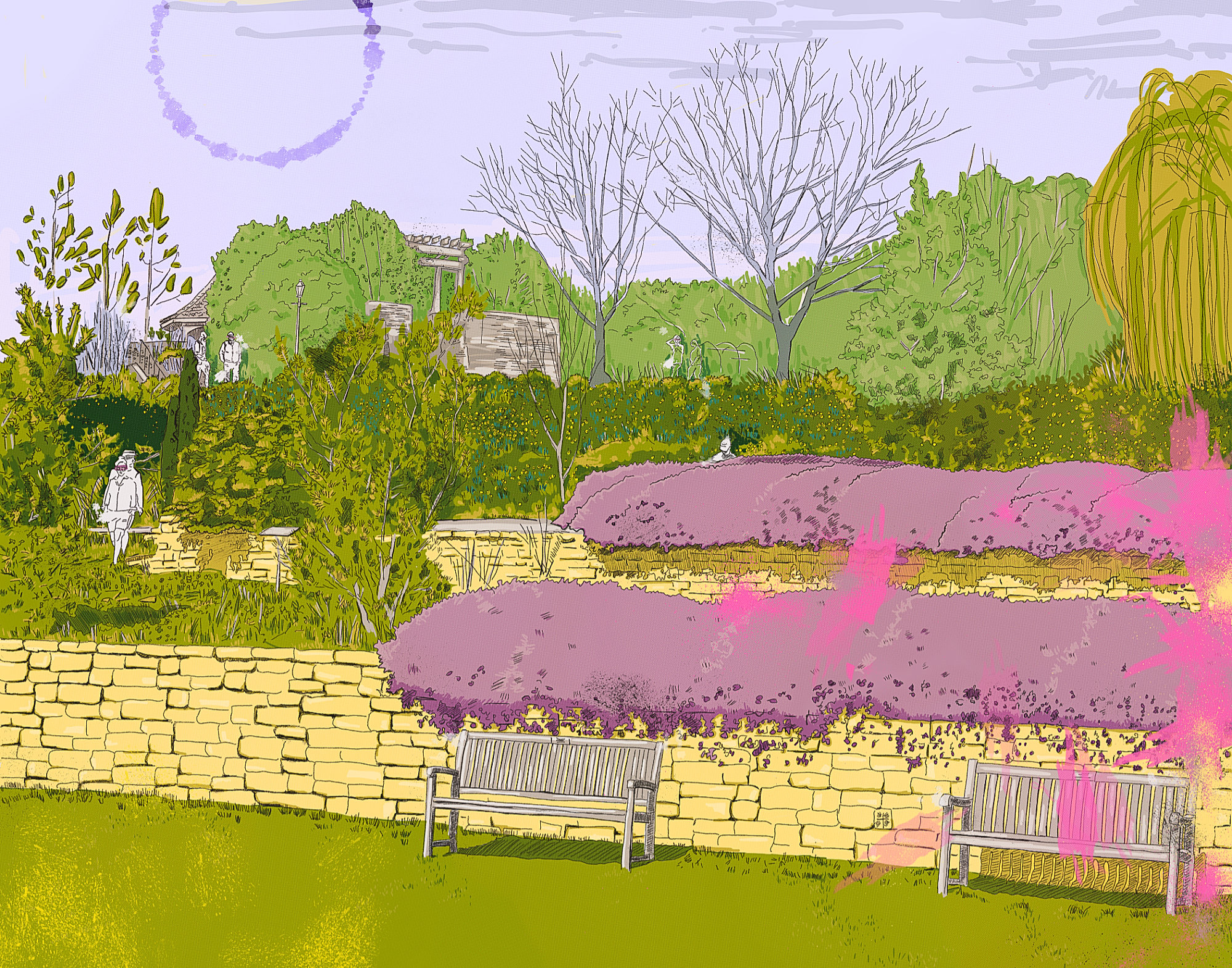
    This digital illustration presents a stylized garden scene, rendered with a vibrant yet somewhat muted color palette and a distinct layering of textures and lines. The composition features terraced brick walls supporting lush greenery, including rounded purple bushes, various trees depicted with differing levels of detail, and patches of bright green lawn. Figures are sparsely placed within the landscape, adding a touch of narrative ambiguity. The overall effect leans towards a contemporary take on landscape art, blending elements of graphic design with painterly washes of color and a deliberate flattening of perspective. The artist employs a combination of precise linework and more gestural, almost abstract applications of color, particularly the energetic bursts of pink in the foreground, creating a dynamic tension between representation and abstraction.

    The illustrative style and focus on simplified forms and expressive color evoke connections to several art movements. The flattened perspective and bold use of color resonate with aspects of Post-Impressionism, particularly the decorative qualities found in the work of artists like Édouard Vuillard. Simultaneously, the graphic quality of the linework and the layering of distinct visual elements bear similarities to aspects of Pop Art, recalling the screen-printed aesthetic and interest in everyday scenes seen in the work of David Hockney. The combination of natural subject matter with a stylized, almost graphic execution creates a unique dialogue between these artistic traditions.

    Technical Details:

    • Samsung Tab9 Ultra
    • Infinite Painter
  • Cranes and Philodendron

    Cranes and Philodendron

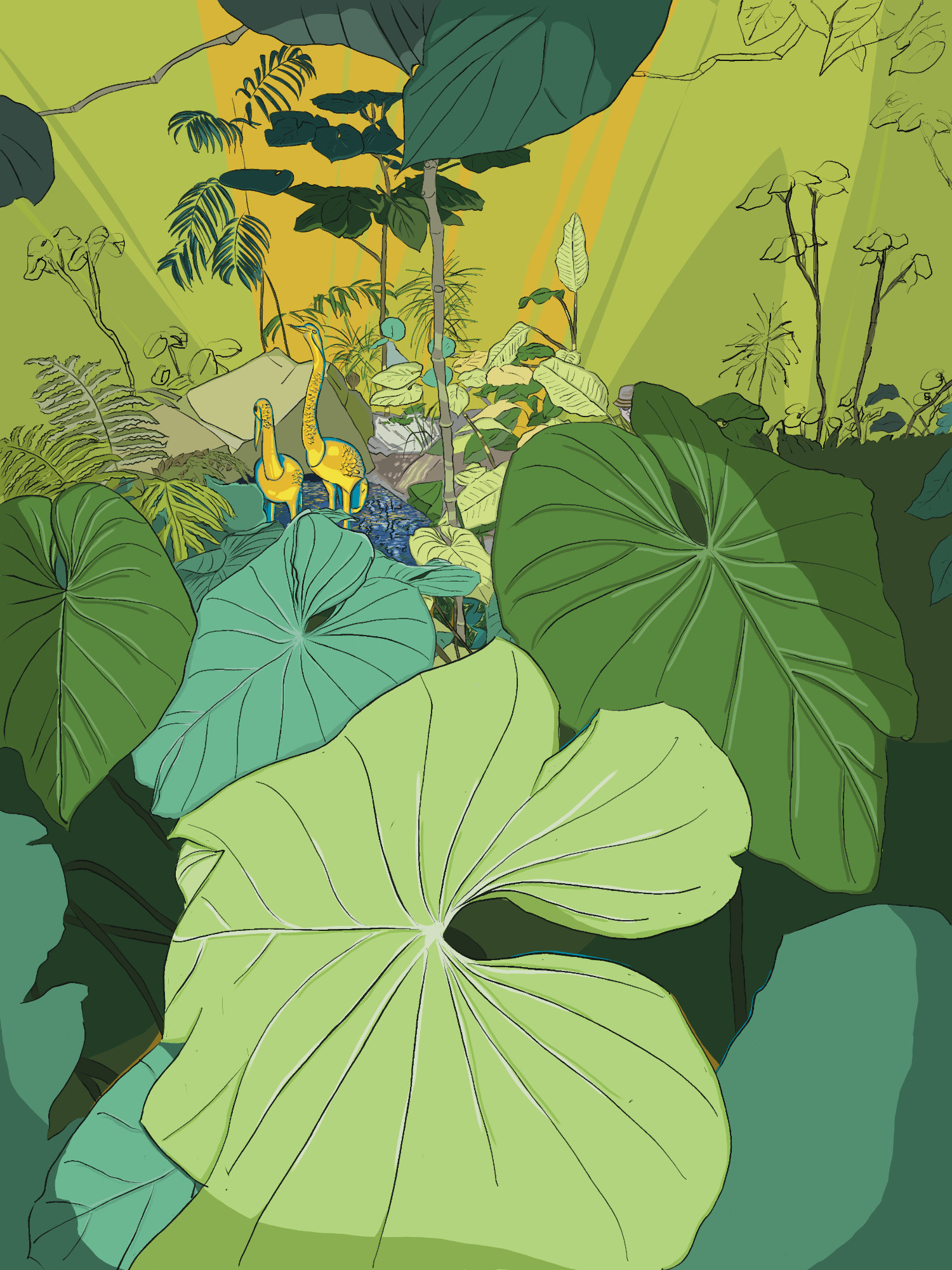
    In my latest piece, “Cranes and Philodendron,” my goal was to translate an internal state into a visual language, using the landscape as my primary medium. The strong compositional elements, like the framing leaves and distinct color fields, draw directly from my interest in Ukiyo-e and Post-Impressionist Synthetism. The defined lines and flattened perspective are an intentional departure from naturalism, allowing the focus to shift toward the scene’s emotional tone and purely aesthetic qualities. The palette itself is Fauvist in spirit; the heightened greens and radiant yellows are meant to evoke the potent atmosphere of a quiet, ephemeral moment rather than to document a literal space.

    This illustration is a direct reflection of my practice, where observations of the world are synthesized with introspective inquiry. The juxtaposition of the serene, stylized cranes within the wild, sprawling foliage touches on the ironic and narrative themes I often explore. For fellow artists, the piece is a case study in stylistic fusion. For collectors, it offers an emotional landscape—a work that aims to do more than represent a scene, but to capture the transient feeling of a specific instance of discovery, hope, and quiet contemplation.

    Technical Details

    Medium: Digital, Infinite Painter
    Surface: Samsung Tab 9 Ultra
    Dimensions: 9×12