Tag: pastoral

  • Lumbering Bier

    Lumbering Bier

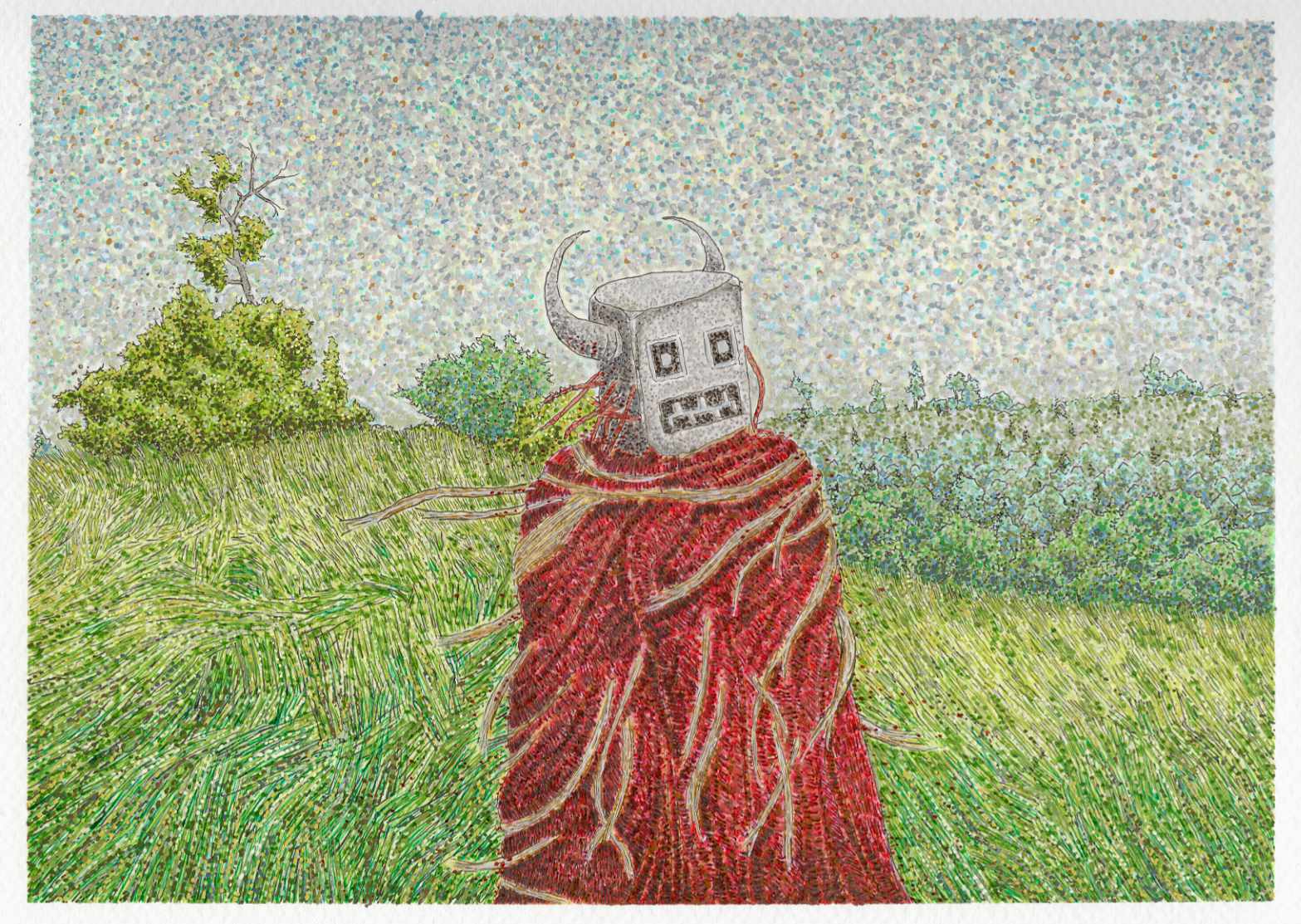
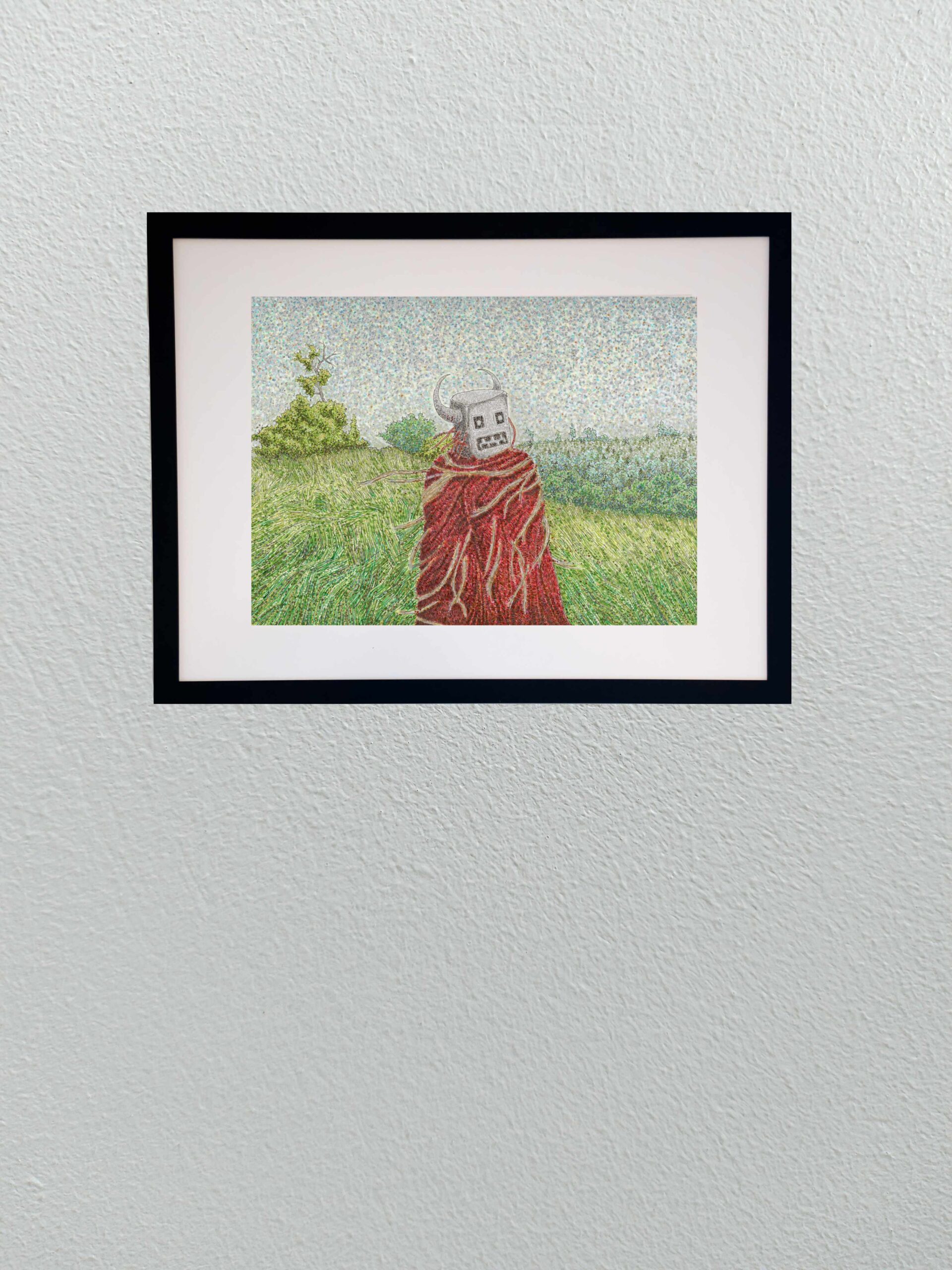
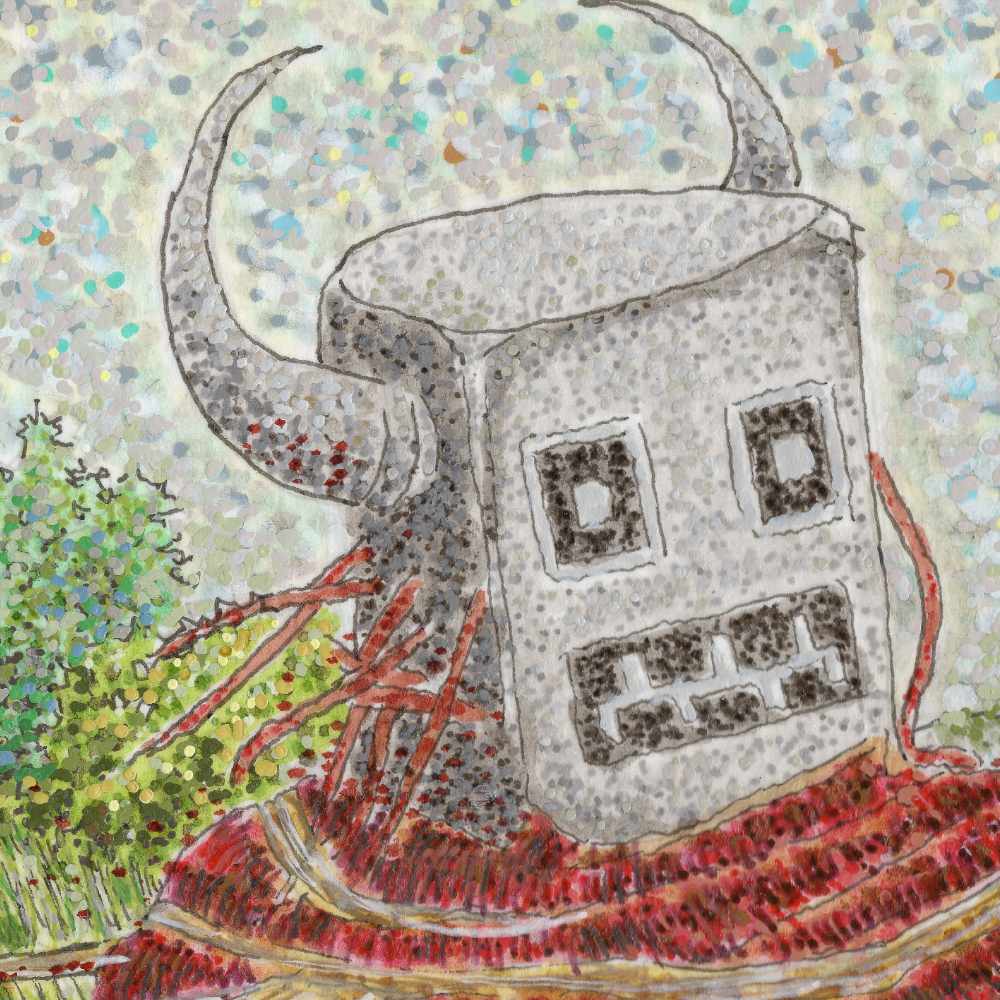
    In this second installment of the series, our ambiguous land deity is no longer a distant silhouette on a ridge line. Here, the entity is a massive, lumbering presence actively moving across a raw, windswept field. I wanted to shift the atmosphere to something highly kinetic, capturing the restless friction of an old god traversing its domain while the grass churns around it.

    Technically, expanding this world required a dense mixed-media approach on cold press paper to handle the sheer volume of texture. I built the environment using a layered blend of Faber-Castell Pitt pens, Staedtler pigment pens, acrylic brushes, and Sakura gel pens.

    The process itself was highly rhythmic. I used the fine precision of the Staedtler and Pitt pens to map out the intricate, flowing lines of the prairie grass, mimicking the paths of the wind cutting across the earth. For the figure itself, I wanted a stark architectural contrast; its blocky, horned head is built with textured gray tones, while its heavy cloak is a dense thatch of deep crimson lines interwoven with pale, root-like fibers. The sky is composed entirely of meticulous stipplingโ€”thousands of individual dots of ink and acrylic that create a vibrating, static-like atmosphere above the field. The tooth of the cold press paper catches these distinct mediums differently, keeping the individual marks crisp while allowing the colors to optically blend into a restless, living landscape.

    There is a solemn, ritualistic quality to this giant form moving through the elements, acting as an ancient shepherd of the wild, untamed acres.


  • Sedge Walking

    Sedge Walking

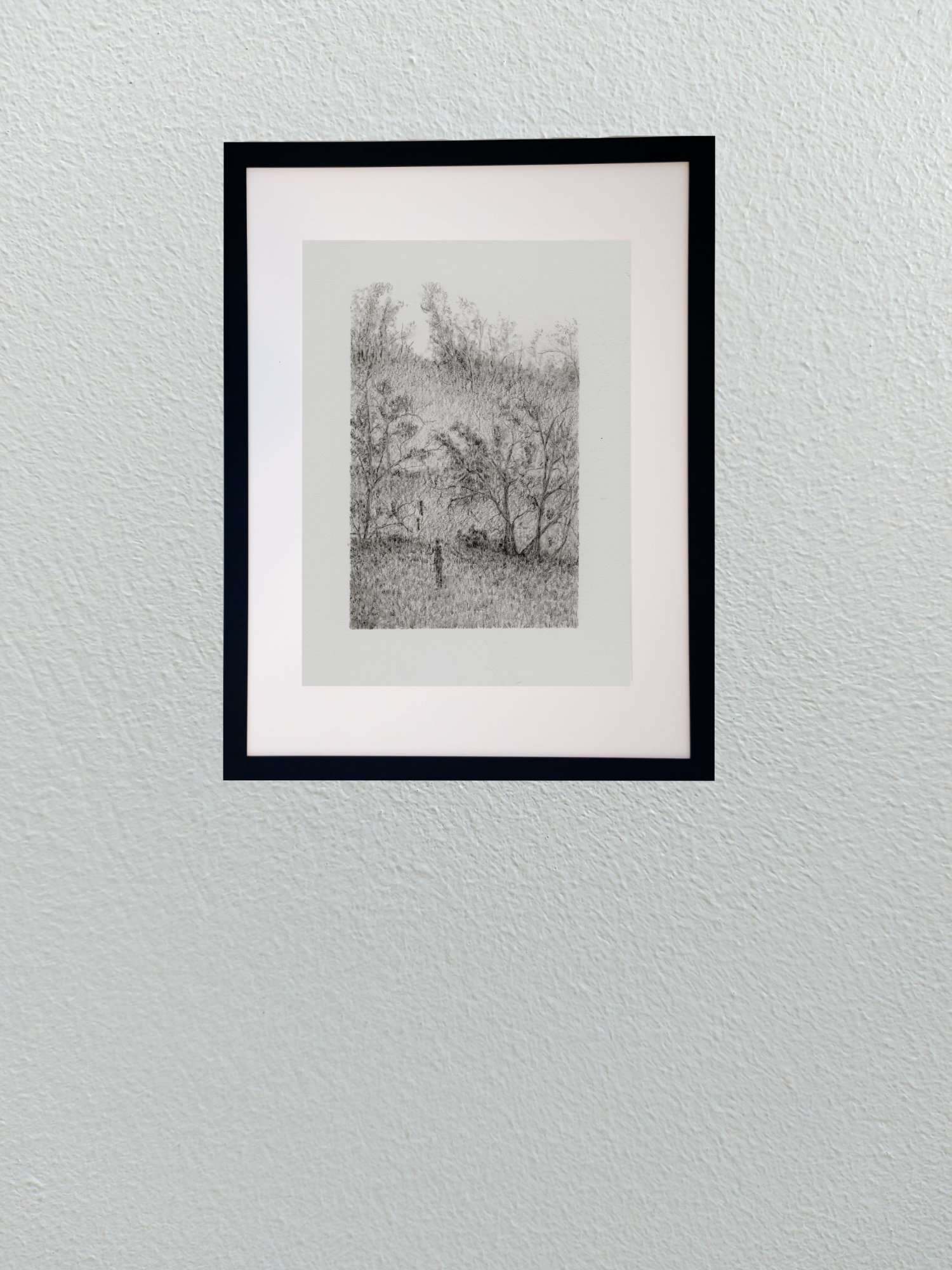
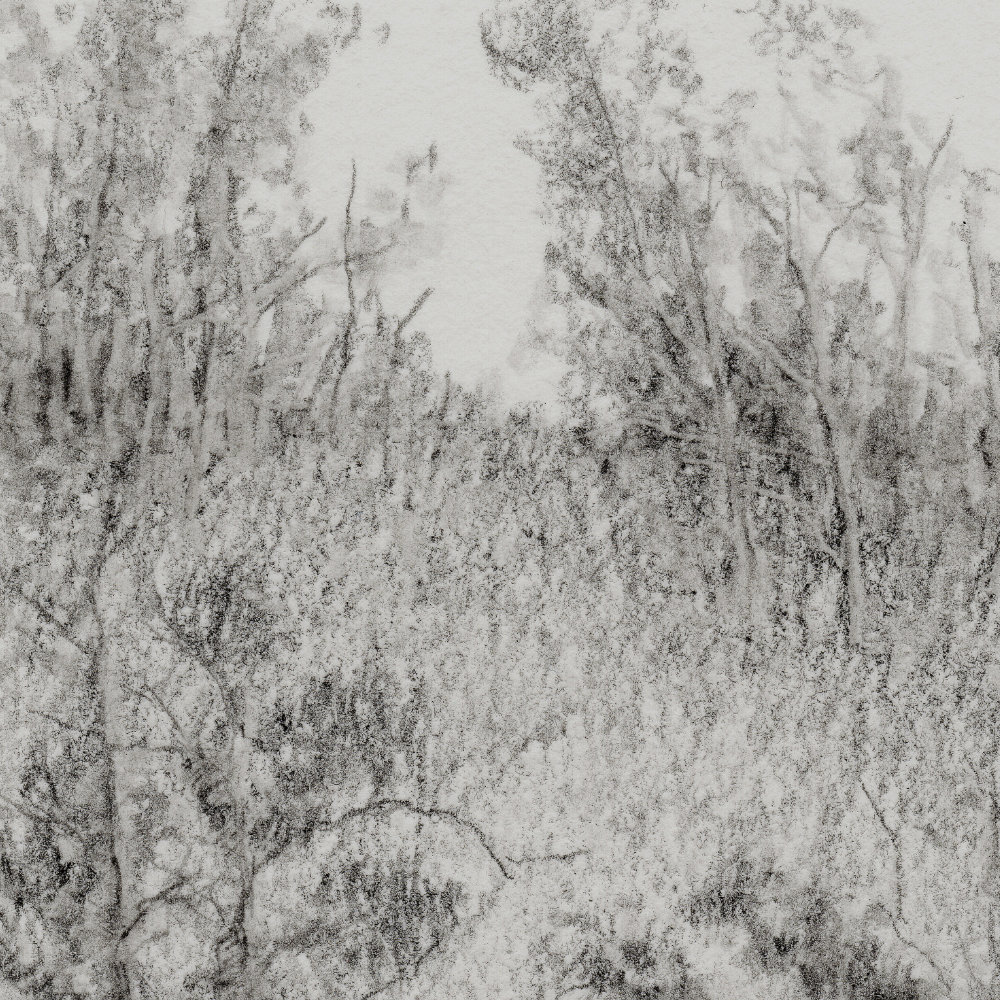
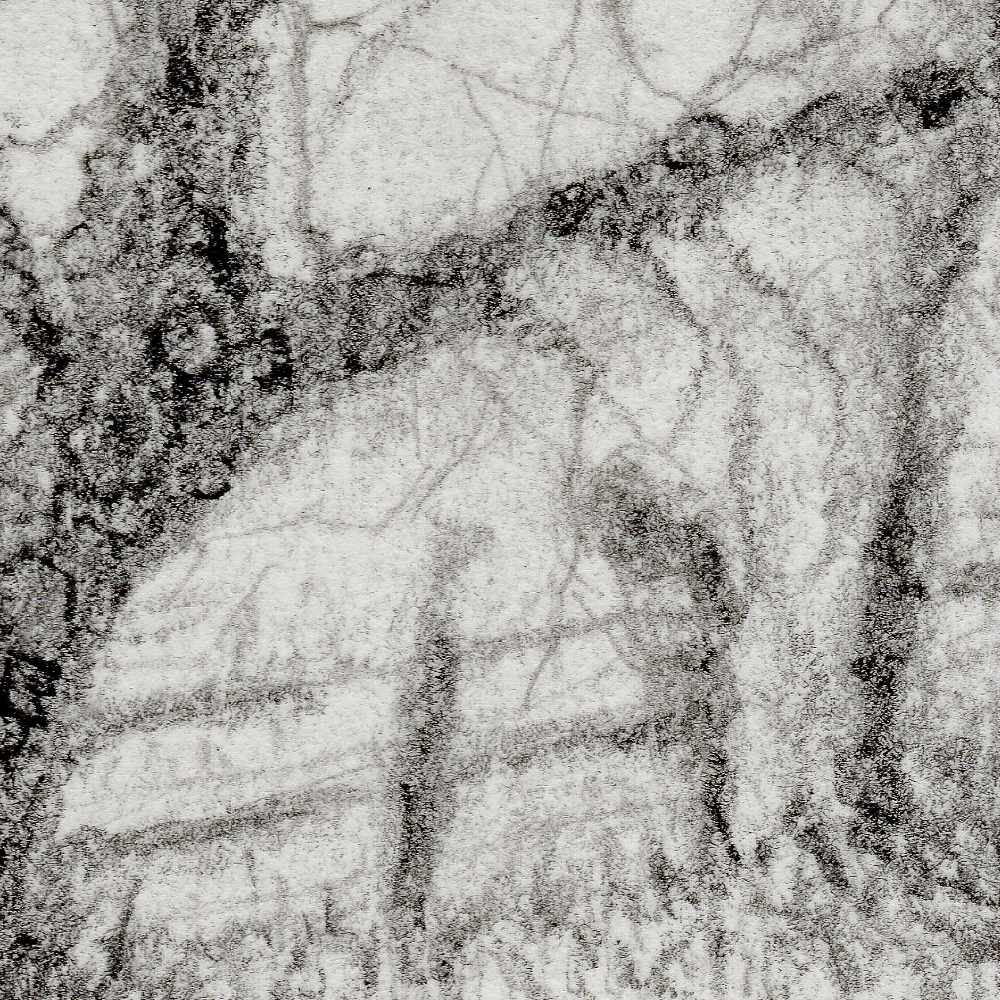
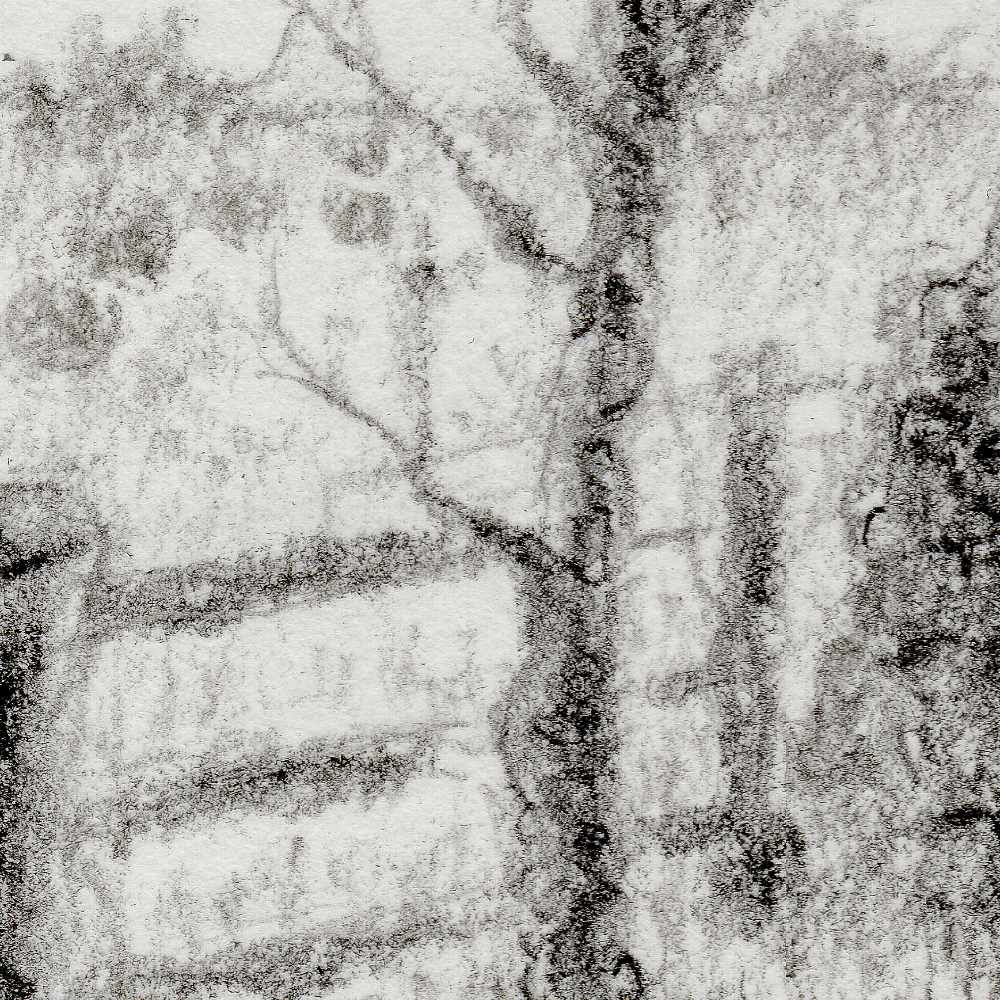
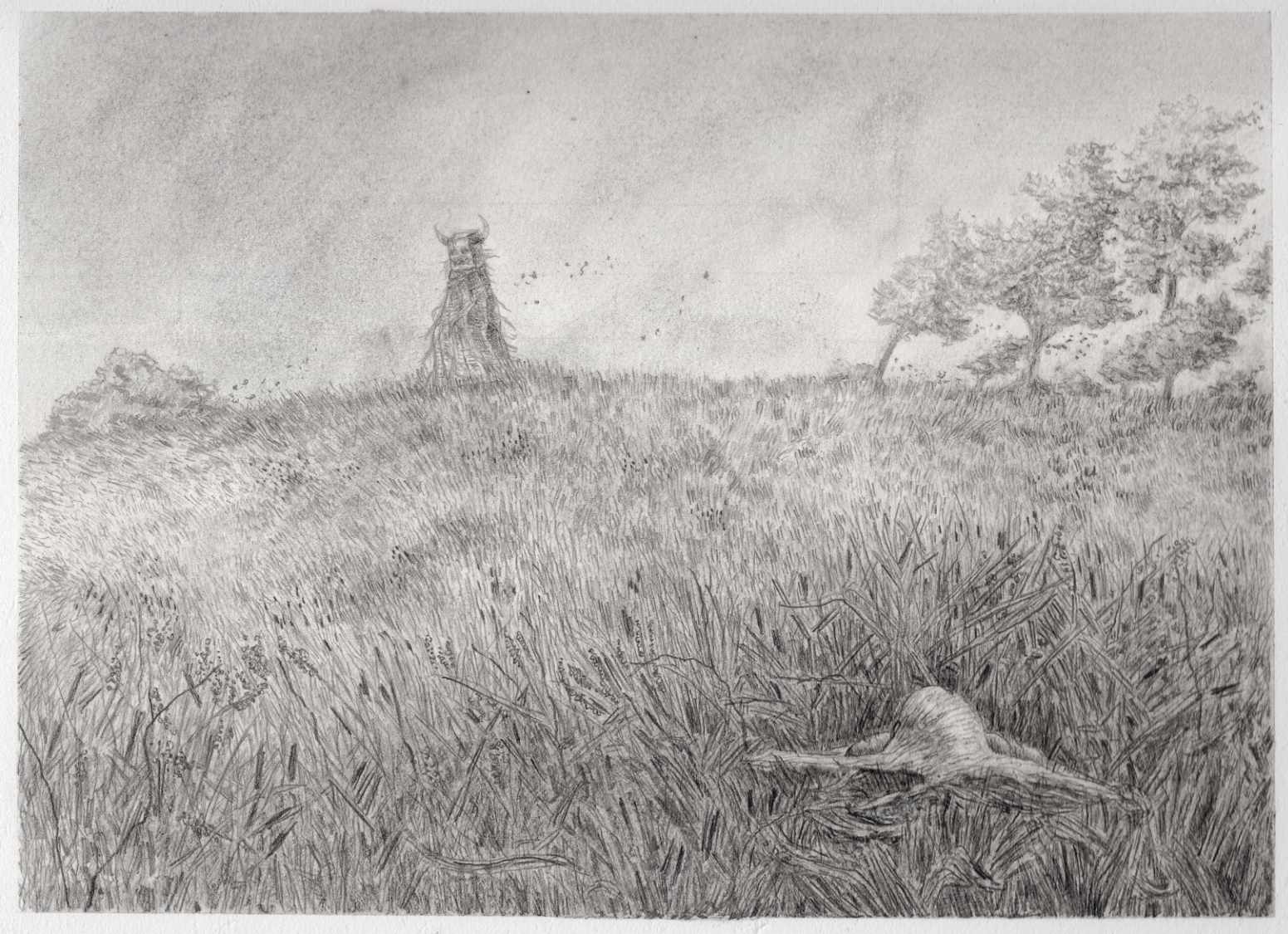
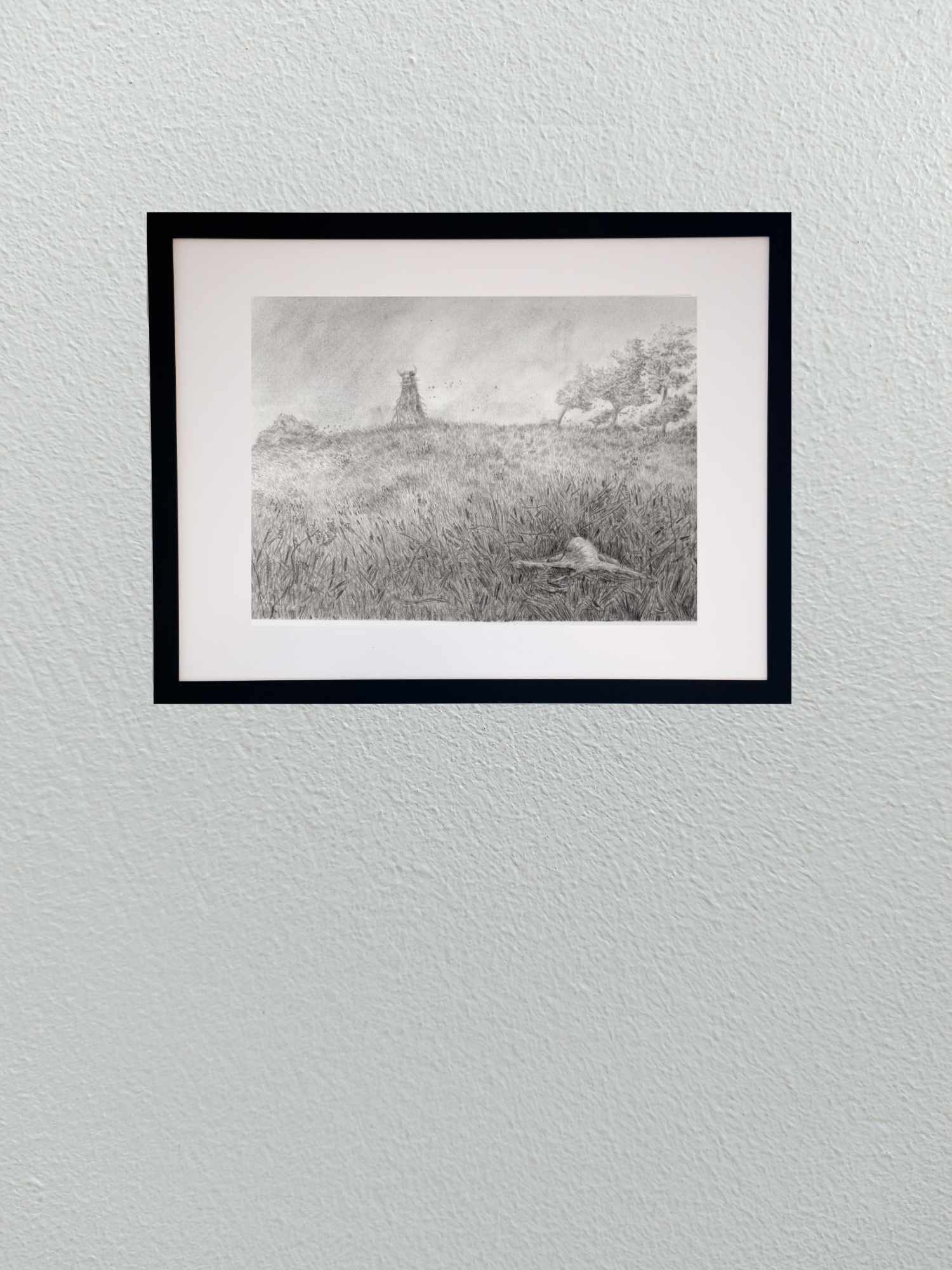
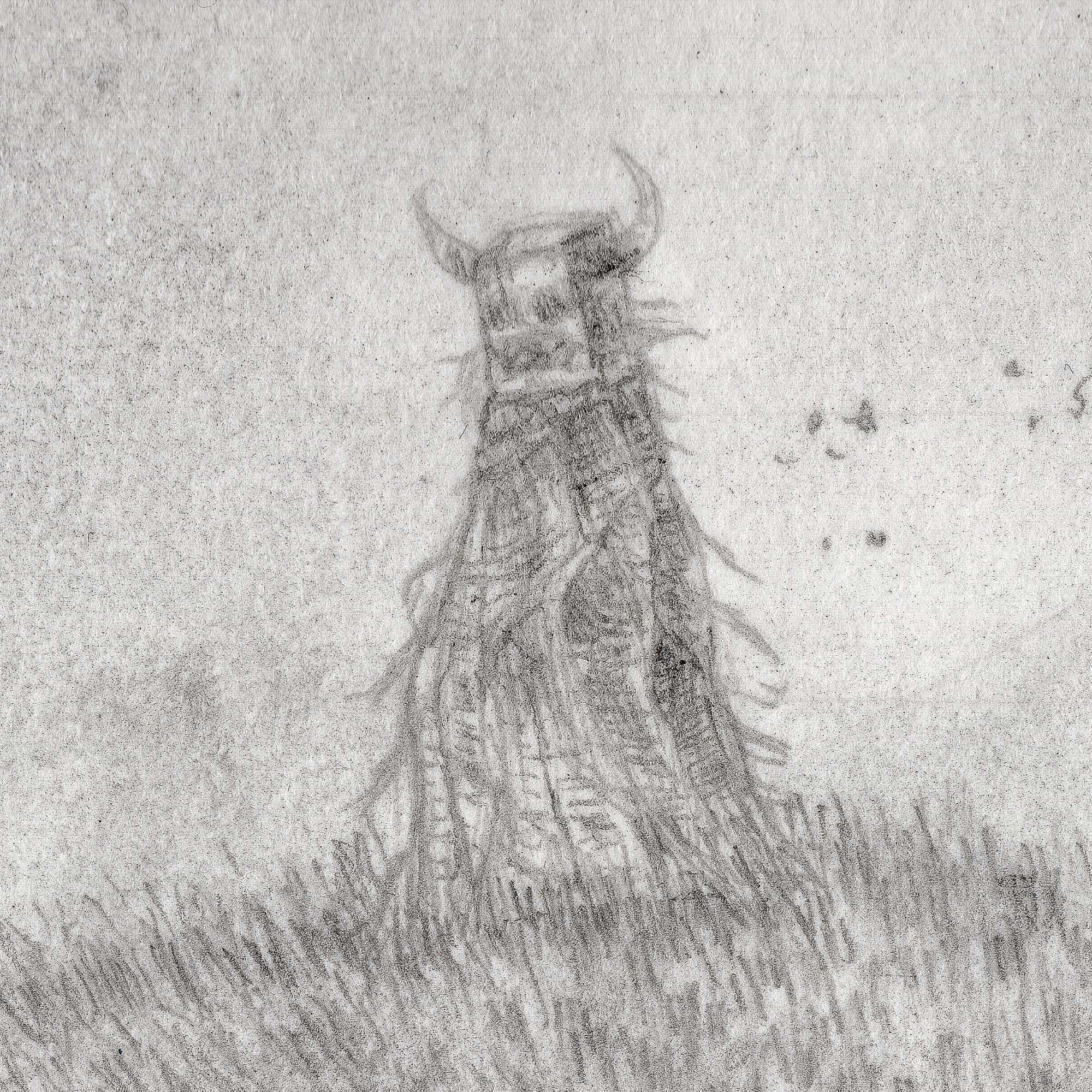
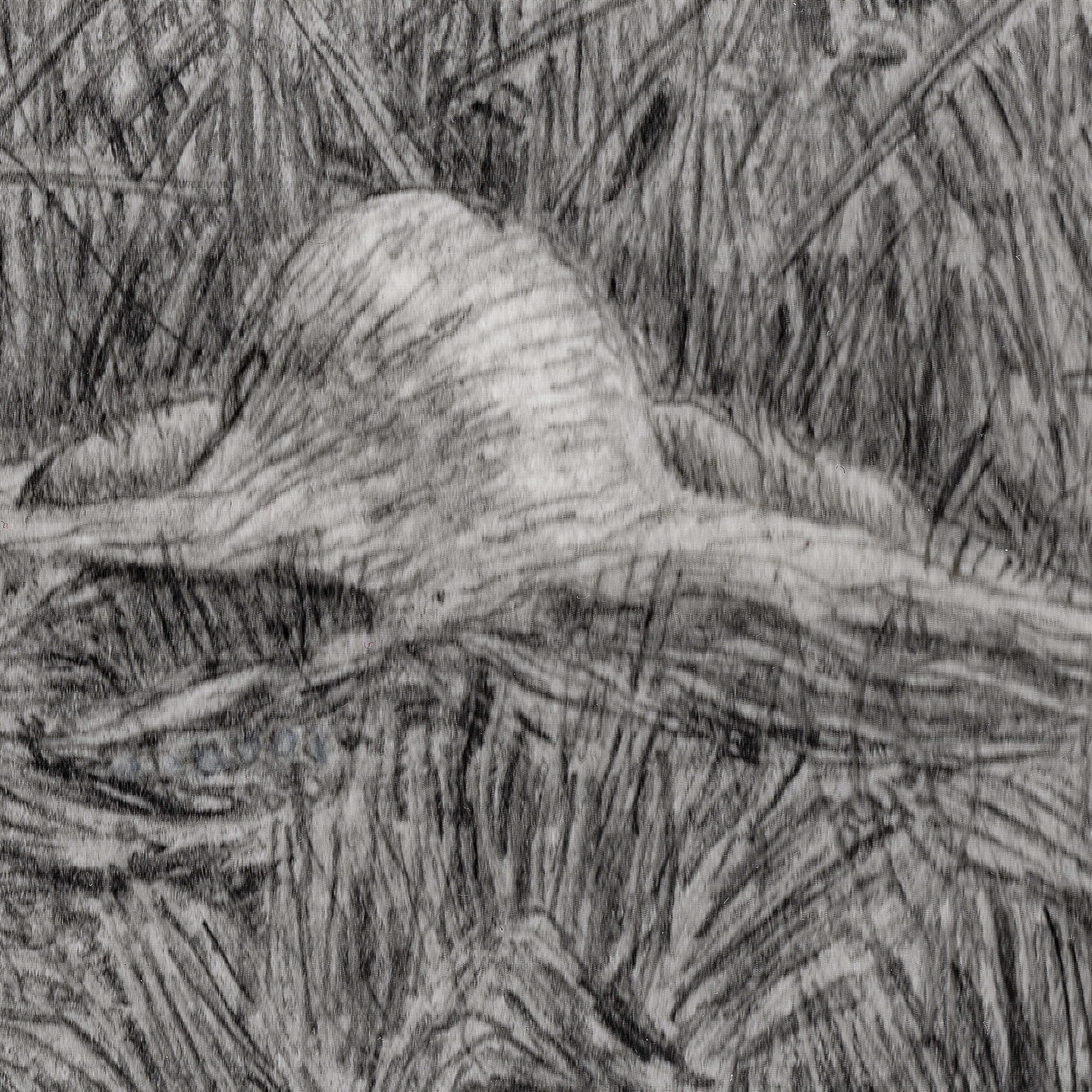
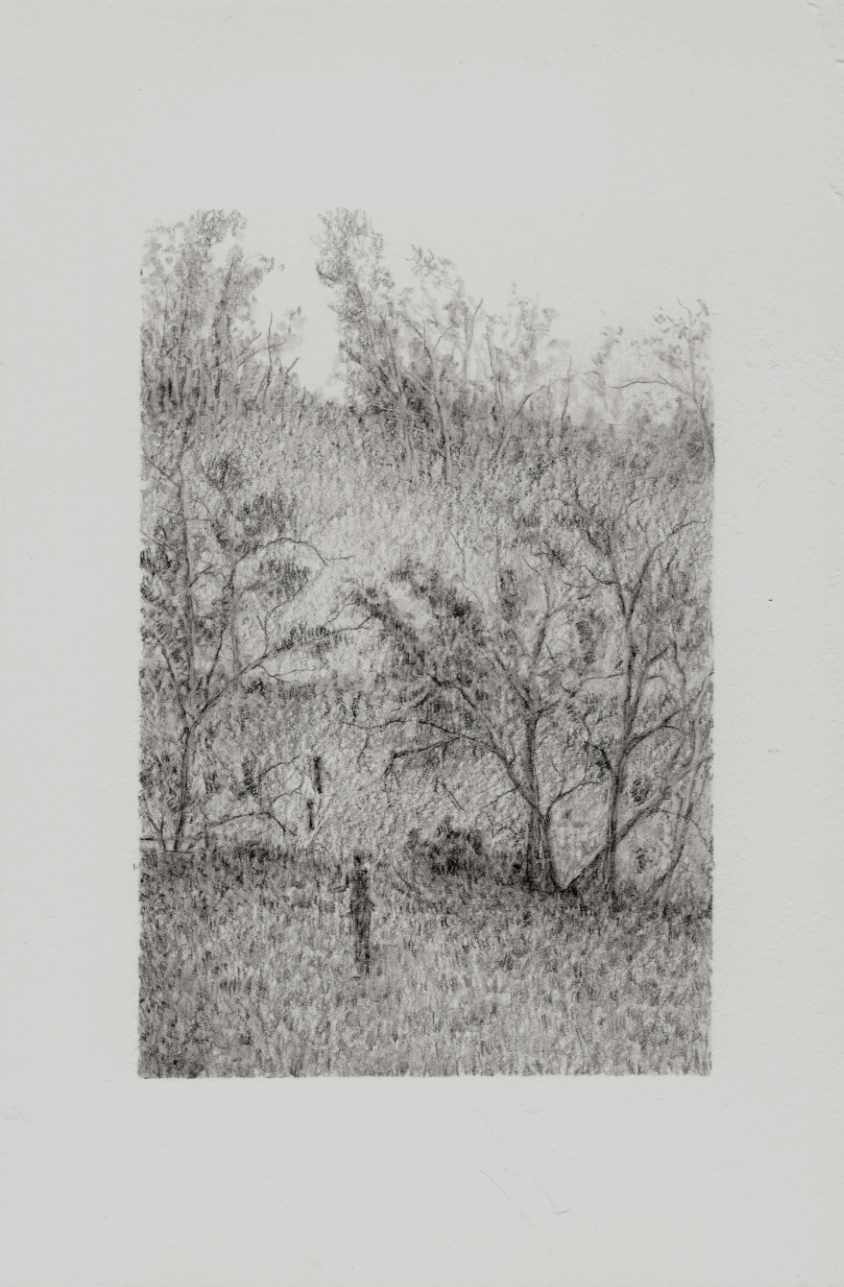
    This pencil sketch is the first concrete concept for a new direction I’m exploring. The series centers on the quiet, ancient presence that occupies our fields and prairies, using a recurring horned entity as a narrative anchor. I’ve been drawing inspiration from the looming, watchful nature of old-world land spirits like the Leshen, mixing that folklore with the indifferent vastness of our own open plains.

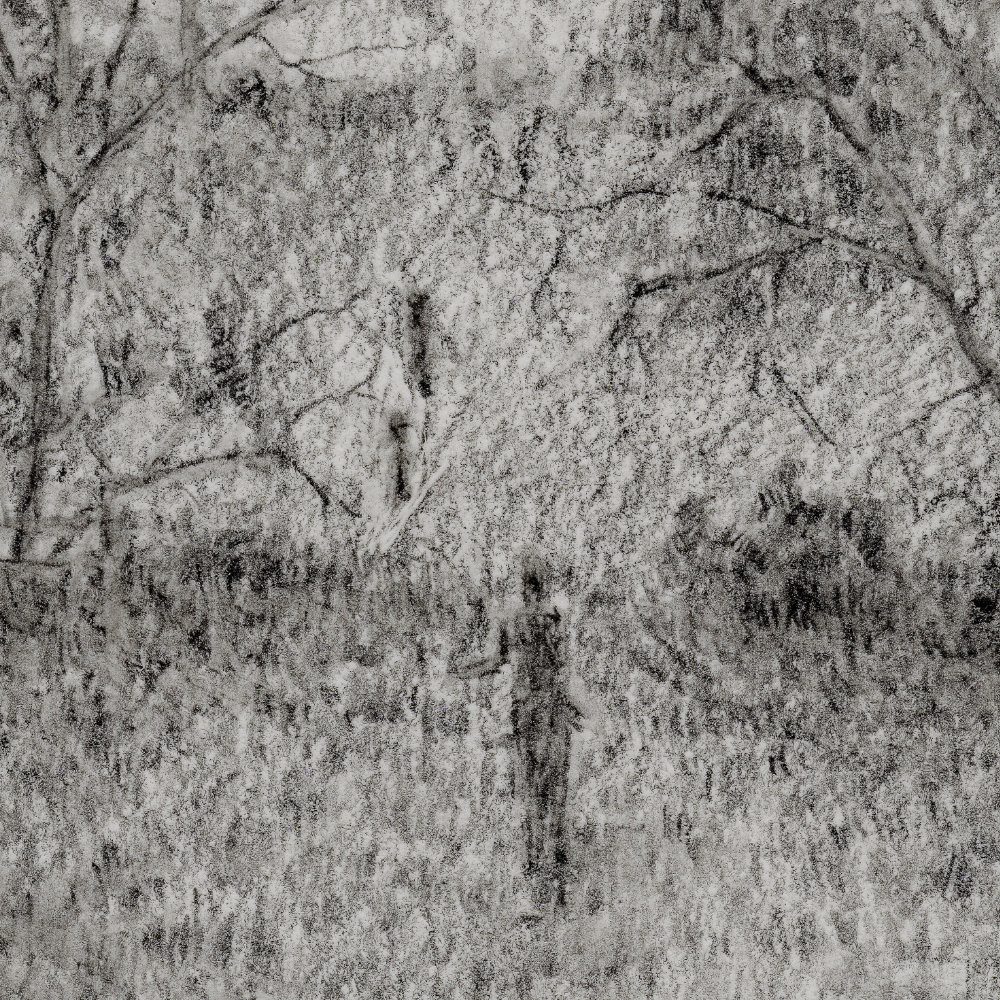
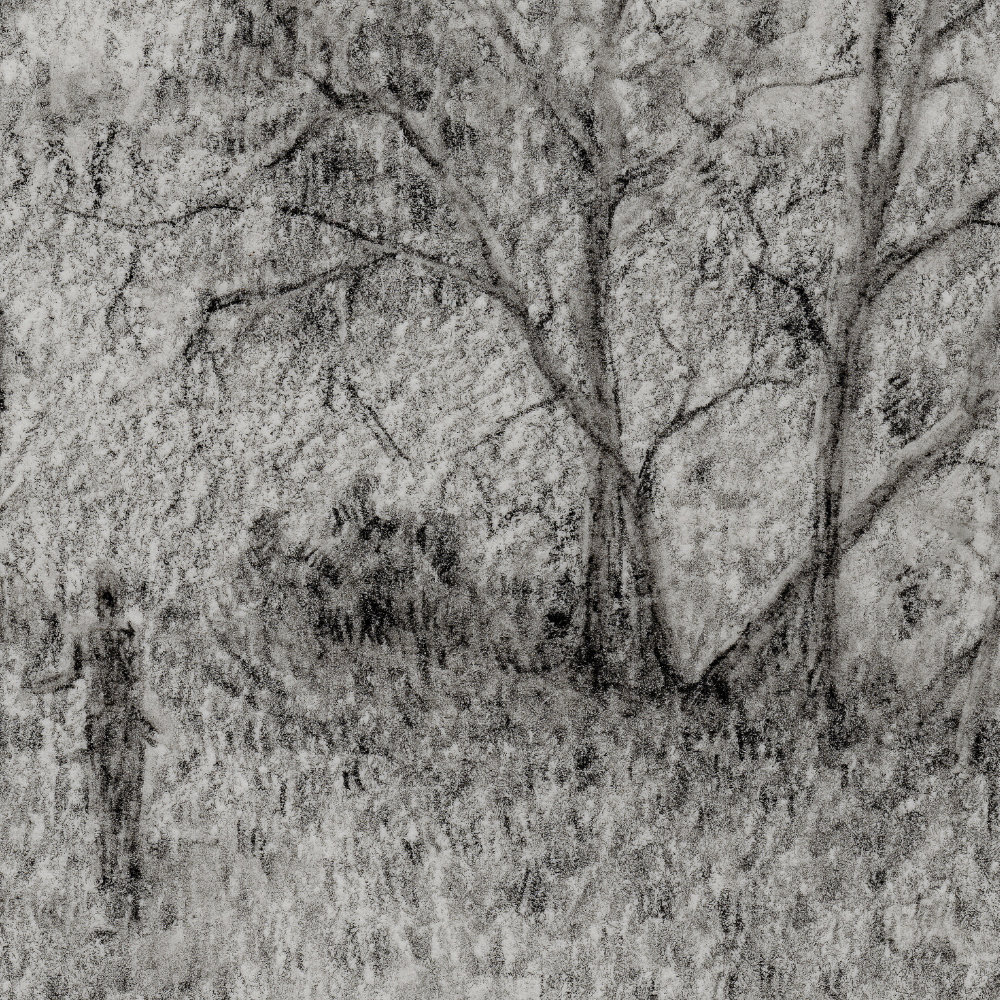
    With this specific piece, titled Sedge Walking, I wanted to play with a very quiet, localized scale of cosmic ambiguity. On first glance, you see the entity cresting the far ridge line, surveying the landscape. But if you look closer at the foreground, tangled and collapsed beneath the rough blades of the sedge, there is a second figure.
    By pulling that detail into the frame, the entire relationship shifts. It moves the work into a space of forlorn loss and raises questions I have no intention of answering cleanly. Is this ancient presence an active participant in this person’s quiet end, or is it merely a cosmic custodian performing the final, silent funeral rites for what the earth reclaims? Is it a protector, or an accountant taking a cold inventory of the decay?

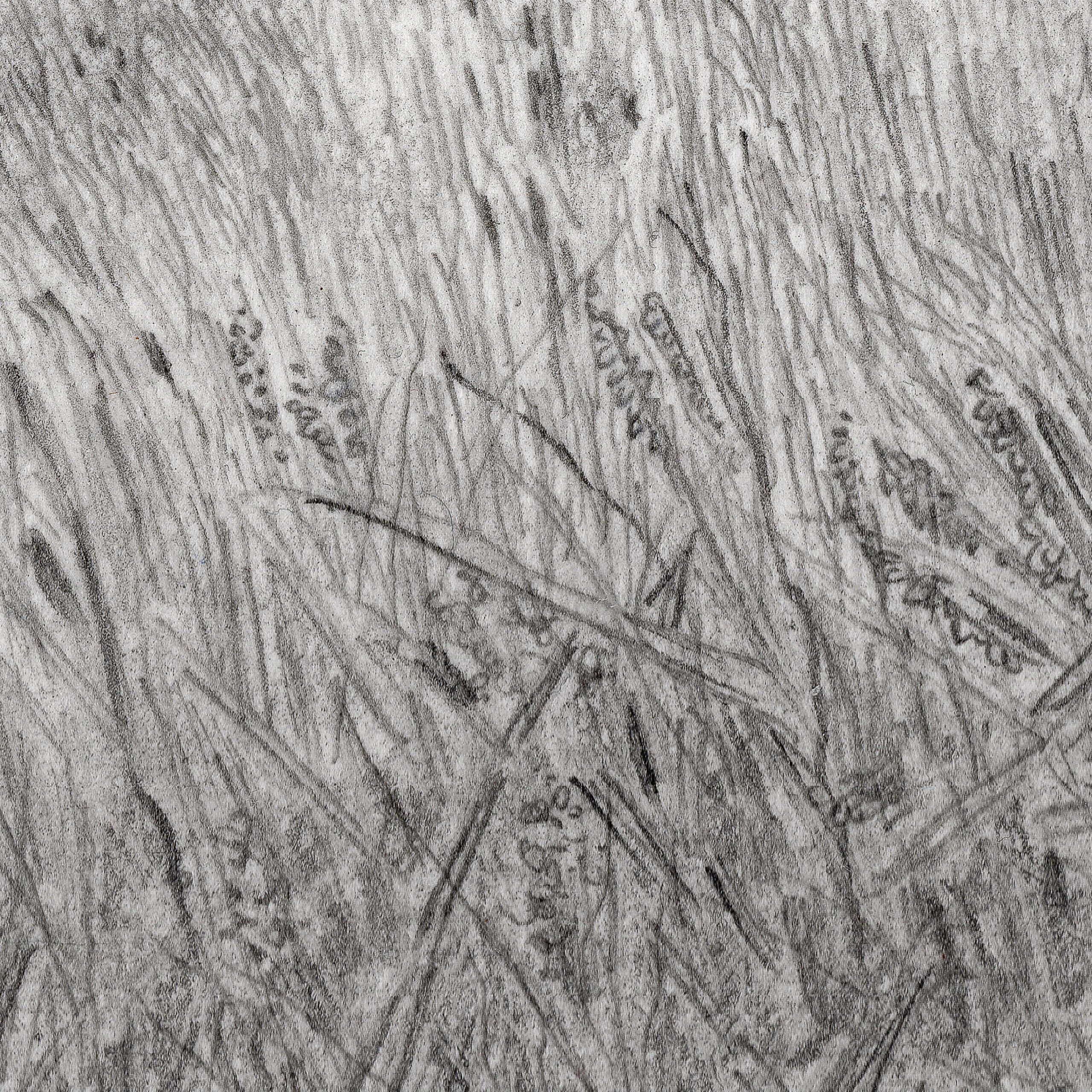
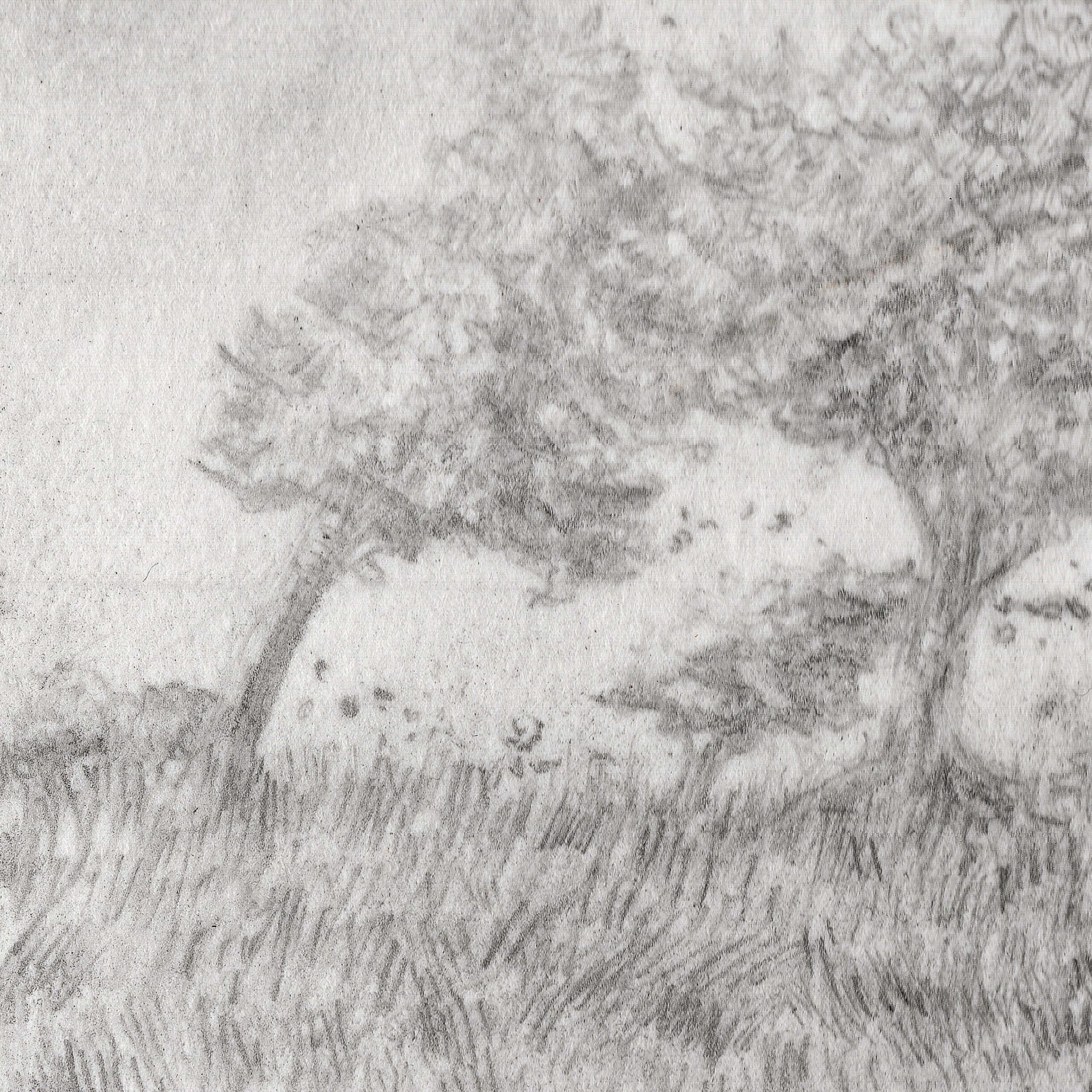
    Technically, keeping this in pure pencil on cold press paper allowed me to focus entirely on the texture and the weight of the environment. The fine, dense linework builds the chaotic grain of the grass, burying the foreground figure in a way that forces the viewer to slow down and actually look for the story. Future pieces will continue to track this entityโ€”or the trailing remnants of its presenceโ€”through various field settings, establishing a running dialogue between the observer and the soil.


  • The Fence Line

    The Fence Line

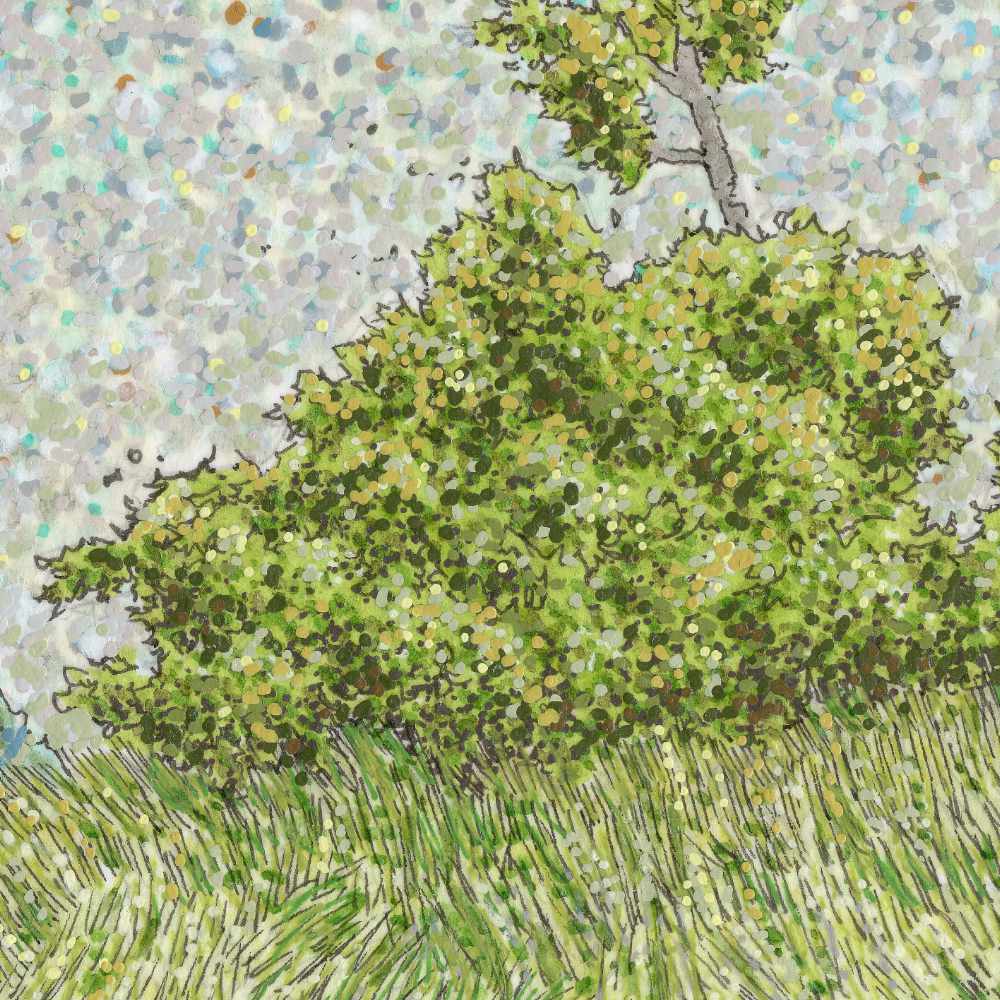
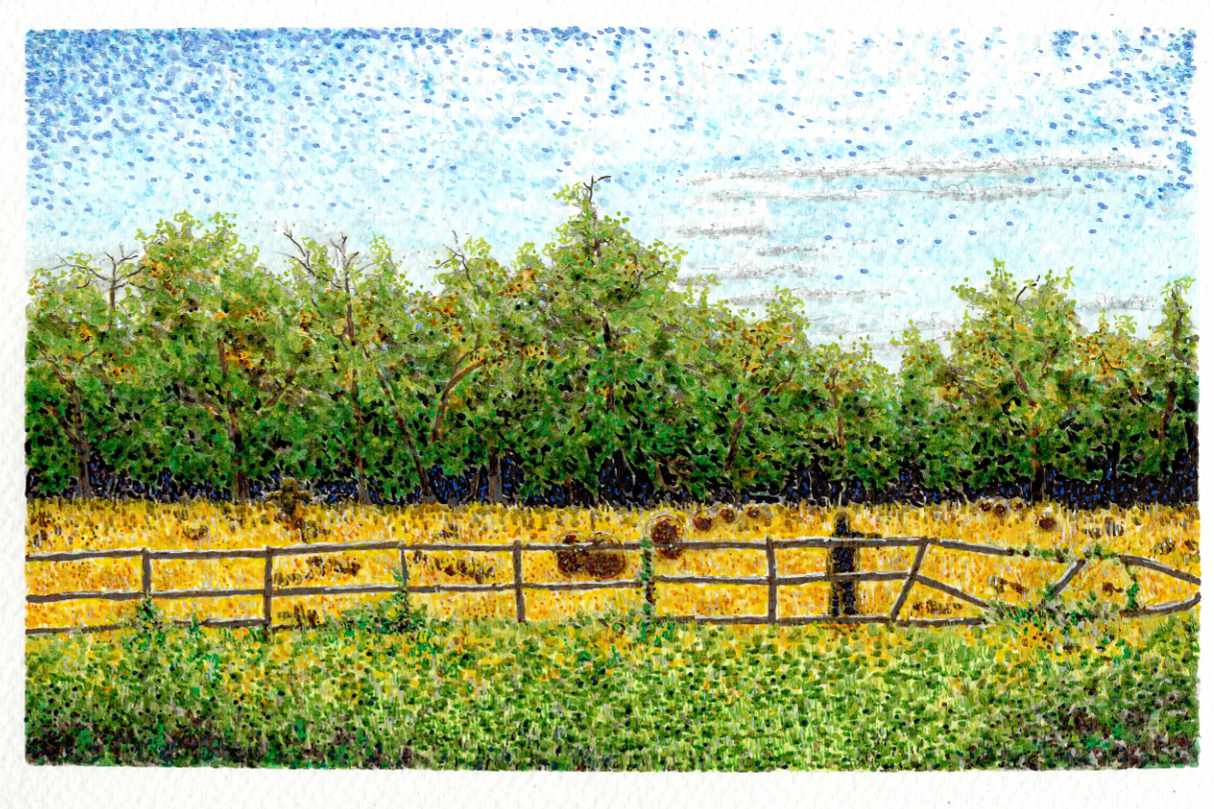
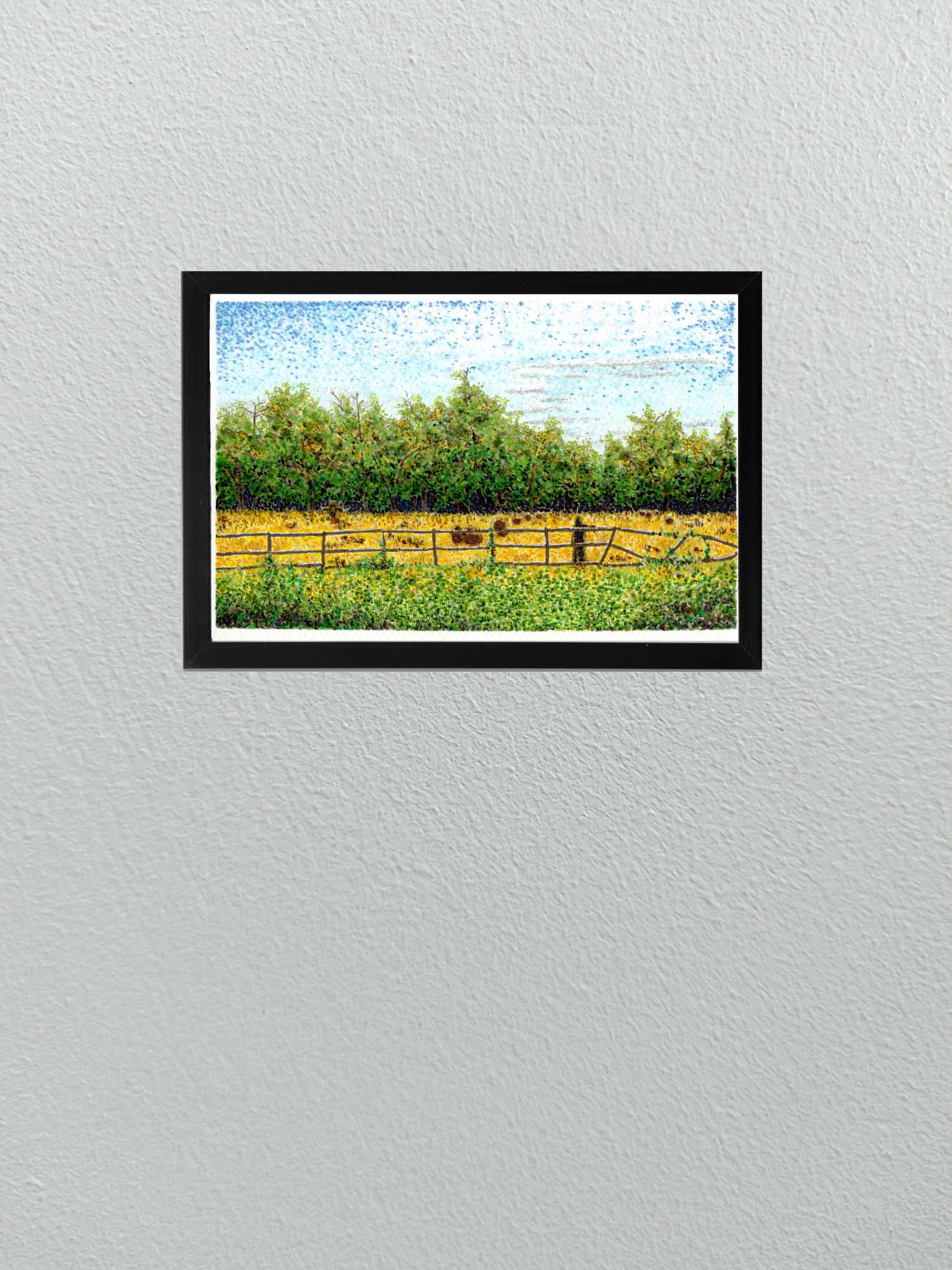
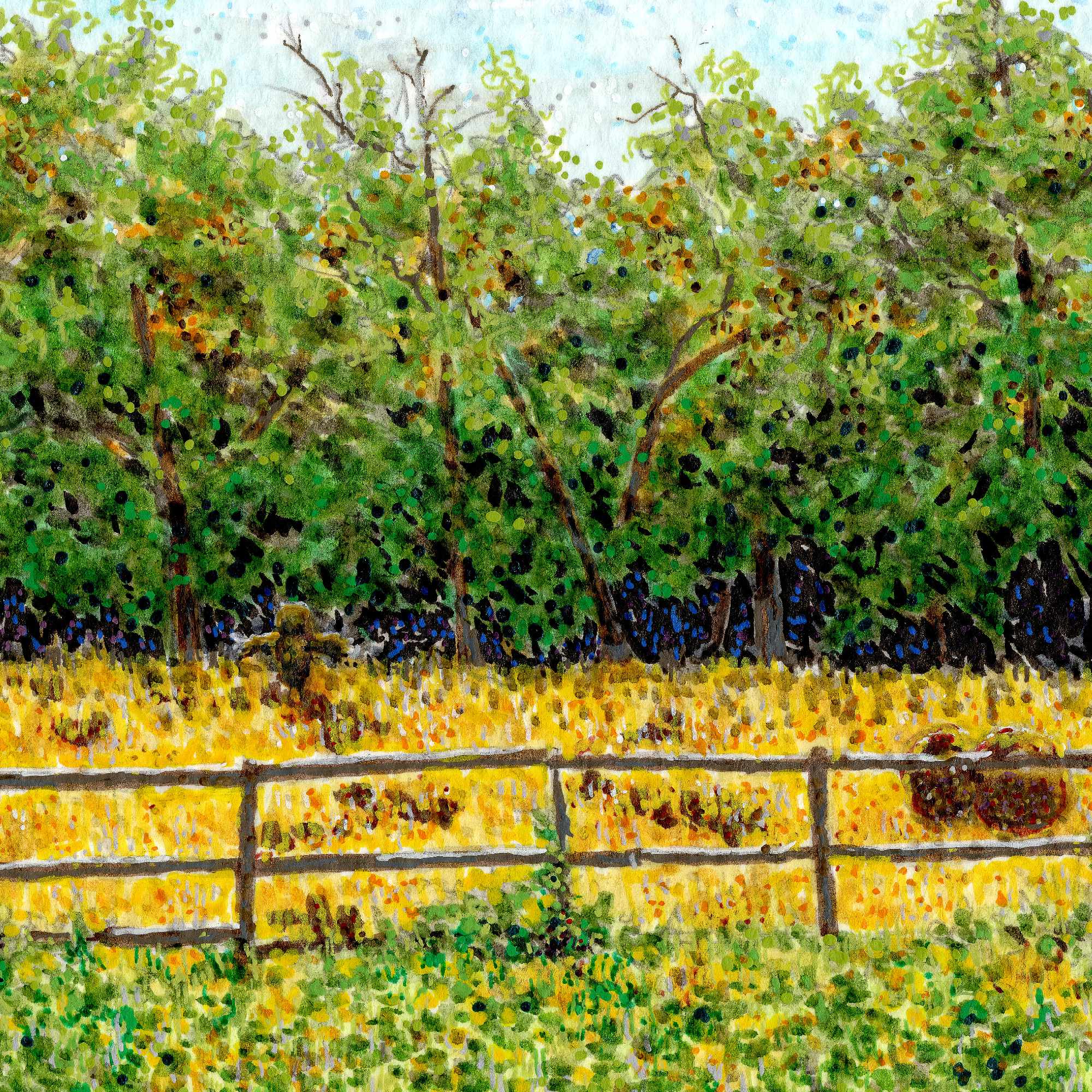
    This is a small 6×9 study on cold press paper, born from an interest in the quiet friction between the ordinary and the unknown. On the surface, itโ€™s a mundane rural sceneโ€”a sunlit field, a line of dense green trees, and a weathered wooden fence stretching across the frame.

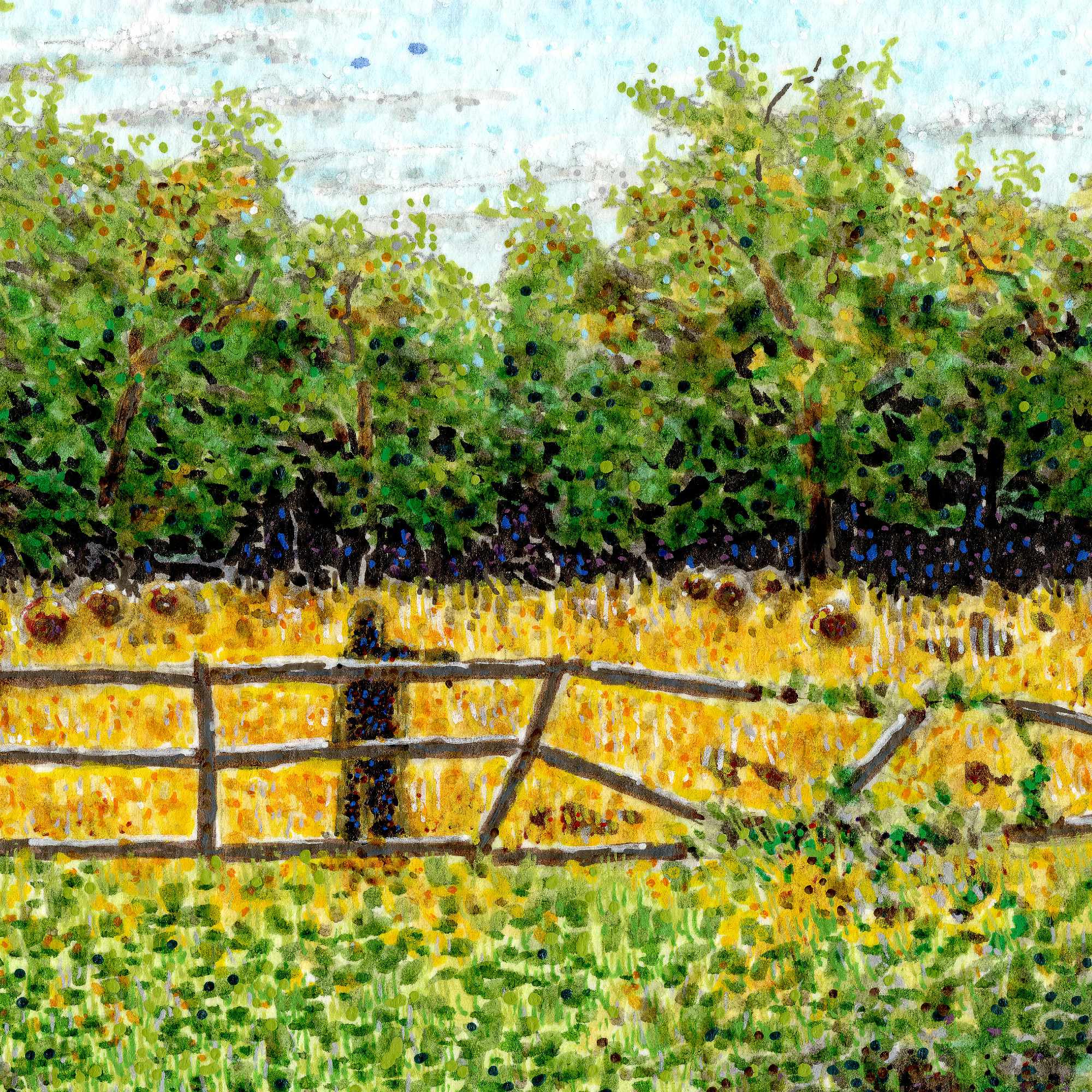
    I built the composition using Faber-Castell Pitt pens and acrylic. The cold press texture acts as a partner in the process, catching the ink and stippled marks to build up the fields of color without losing the organic feel of the paper. I wanted the sky and the foreground greenery to feel alive, using rapid dots of pigment that make the light shimmer across the canvas.

    The real shift in the piece comes with the shaded figure standing in the foreground field. By placing this dark, silhouetted form right against the fence line, a simple landscape transforms into a moment of mystery. It introduces a narrative element without over-explaining itself, leaving the viewer to wonder who is standing by the field, and why.


  • The Yellow Hat

    The Yellow Hat

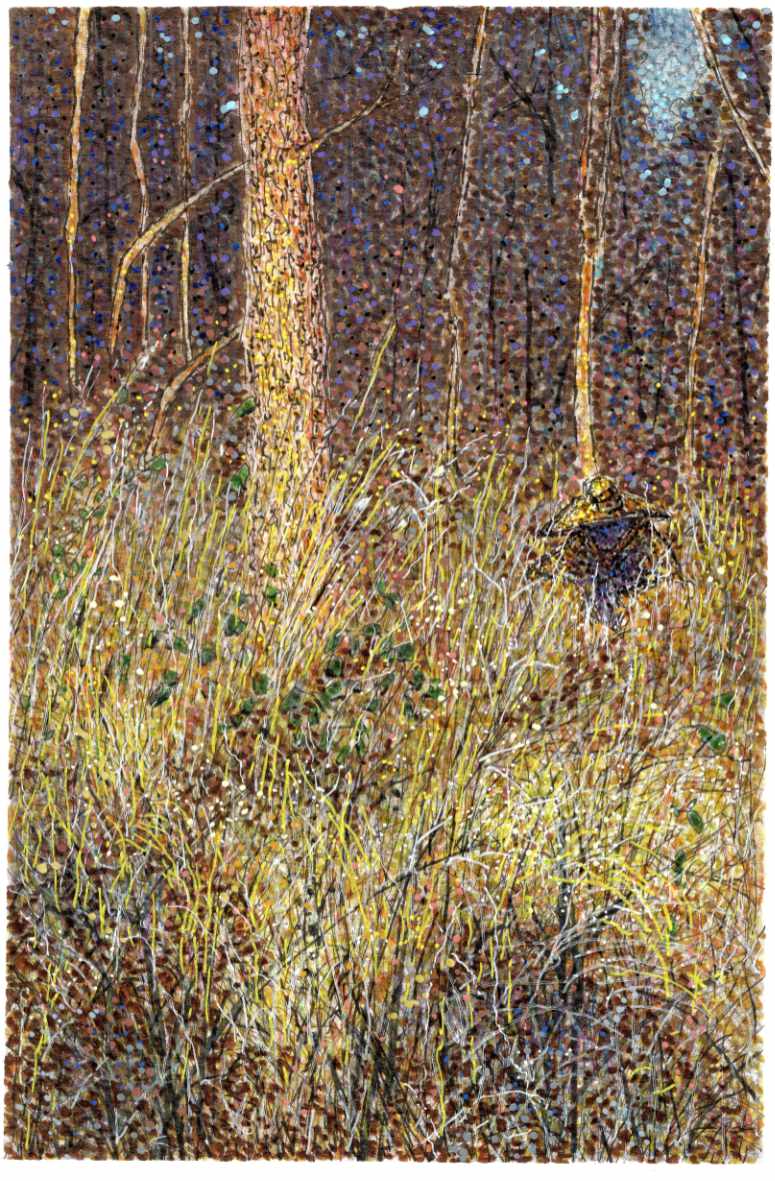
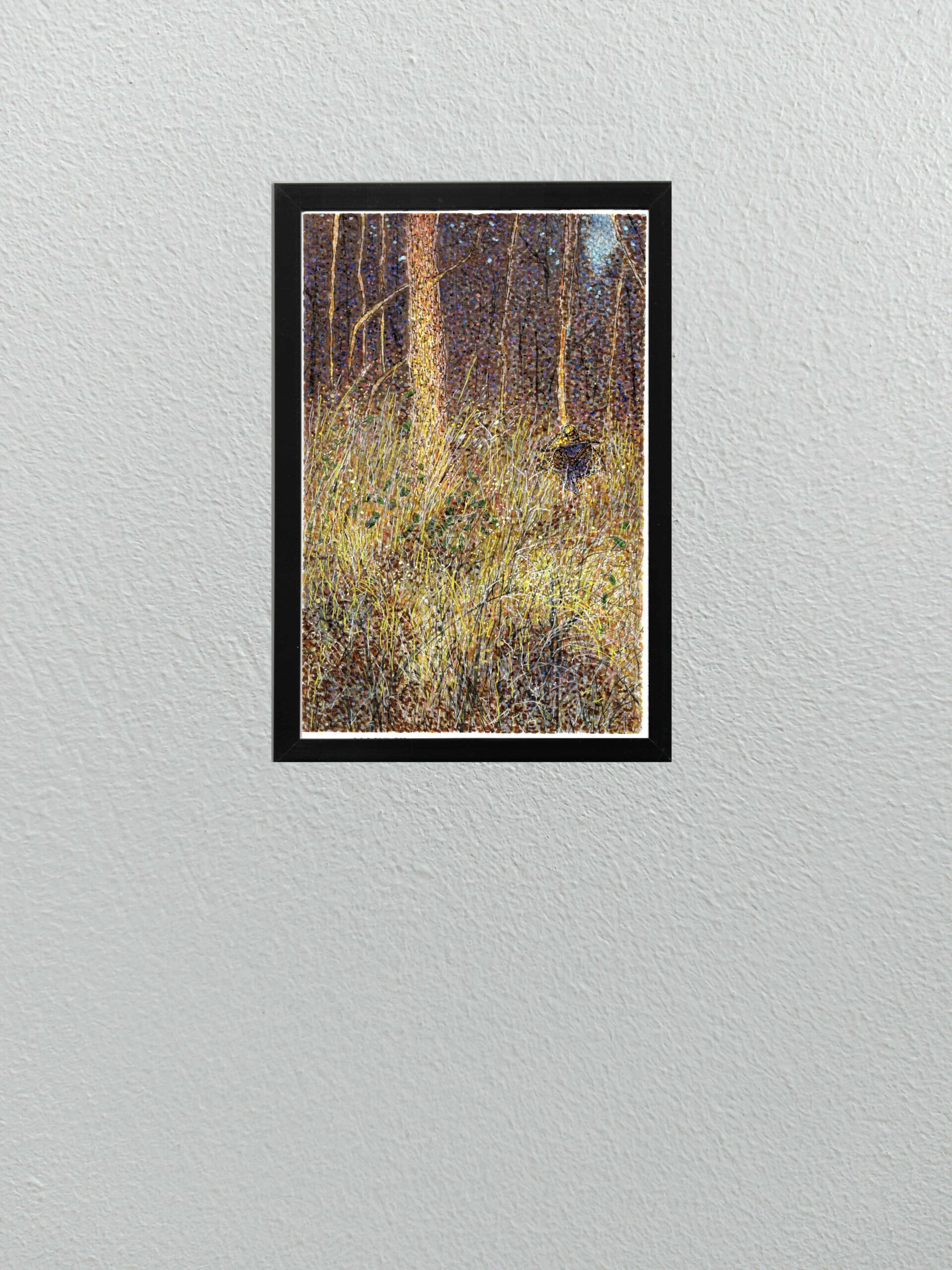
    Today I am sharing a new multi-media piece that continues to push the boundaries of my recent experiments with pointillism, but with a distinct narrative twist.

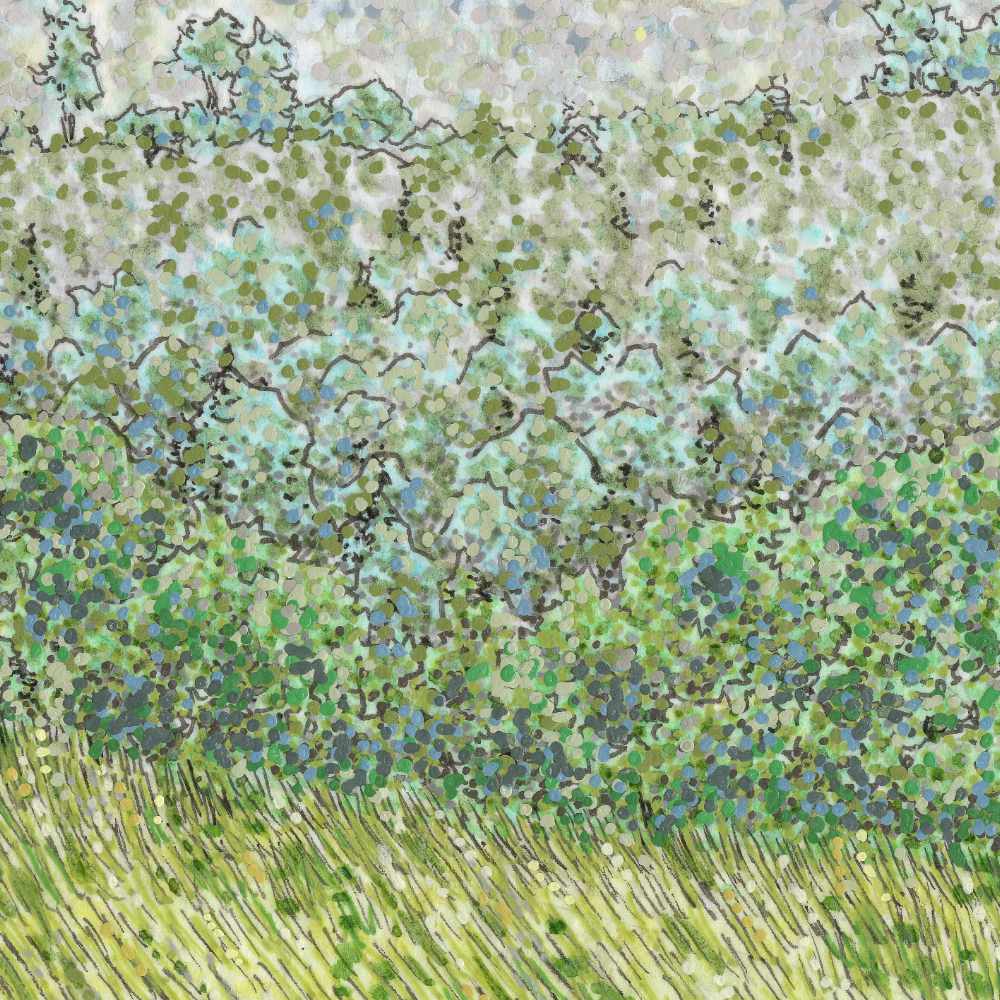
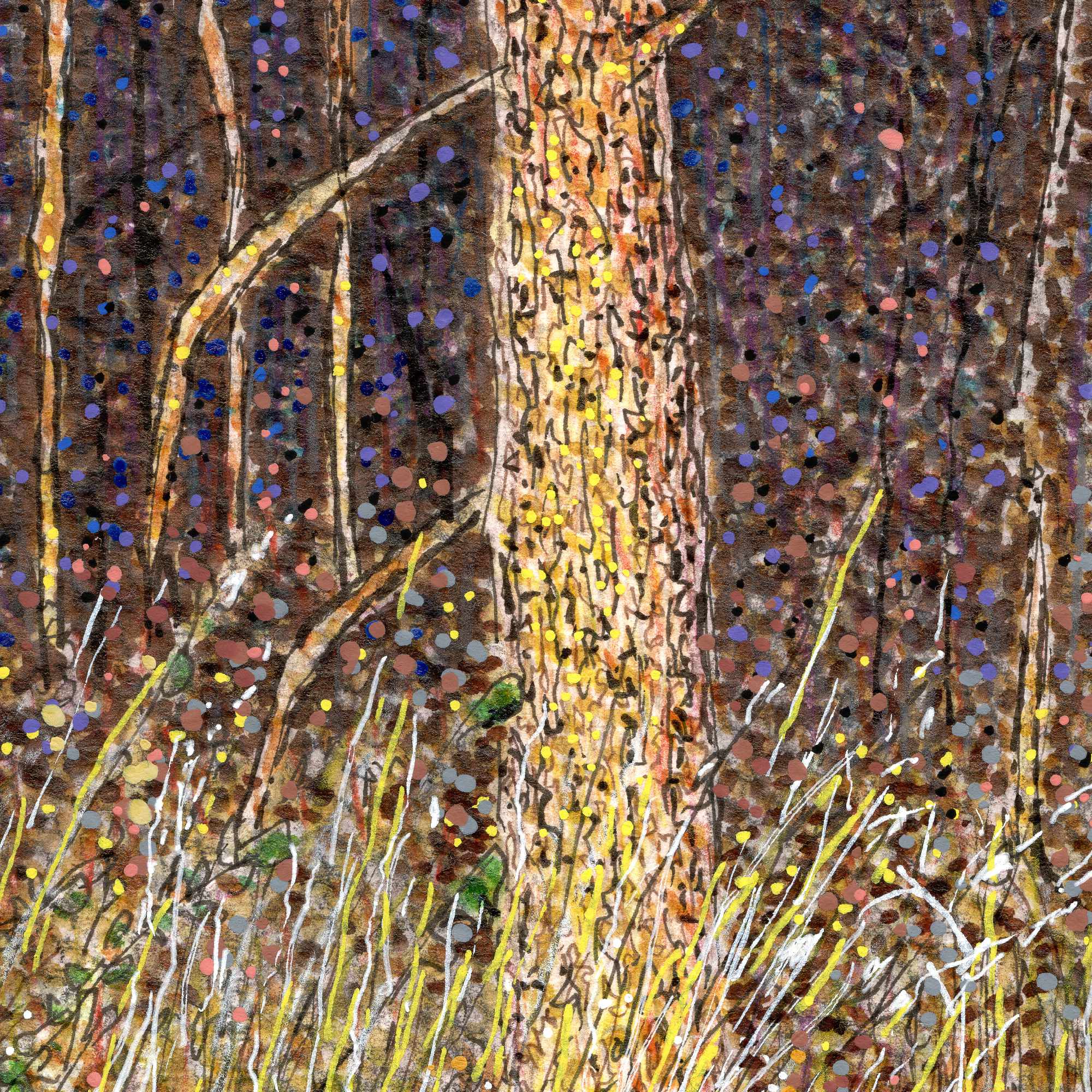
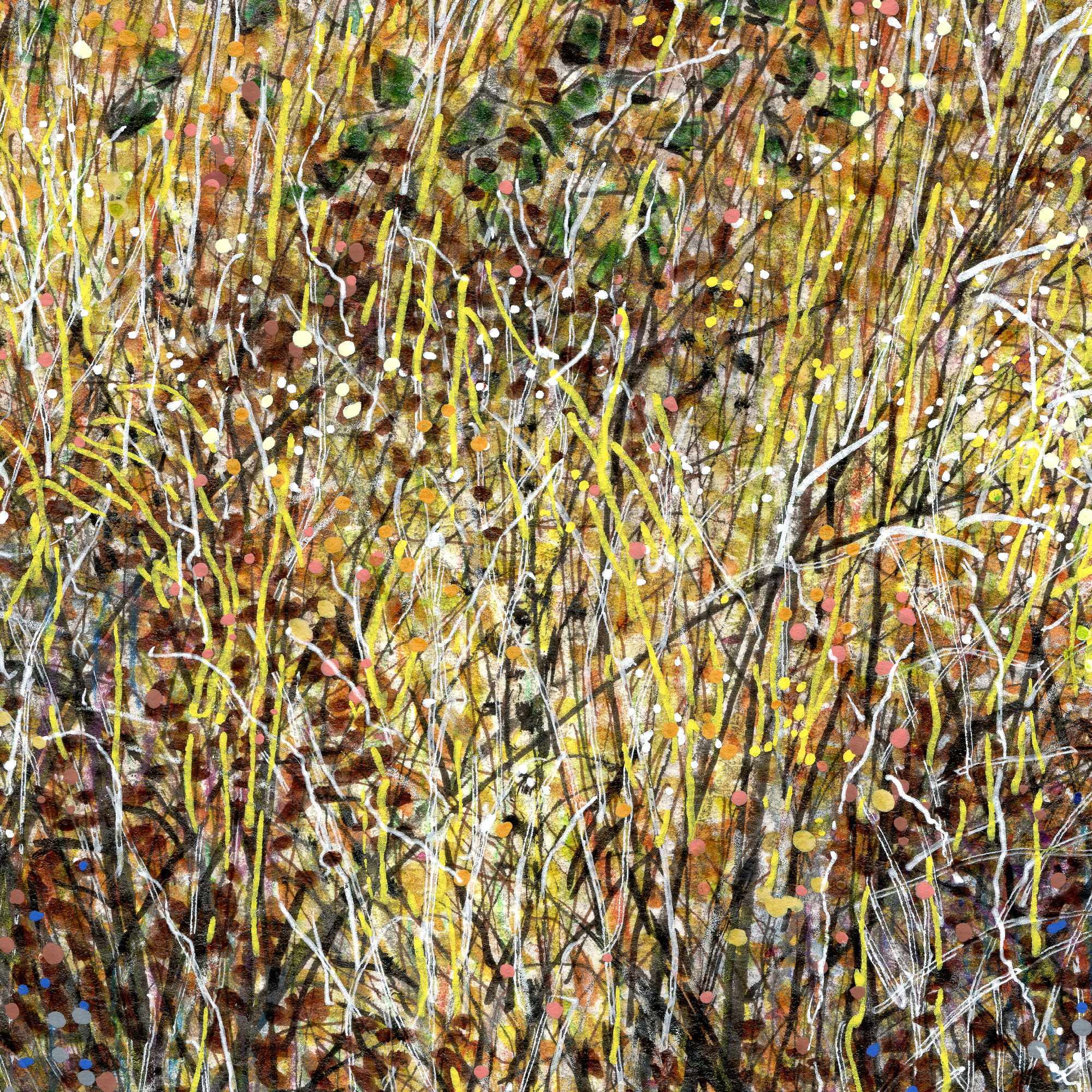
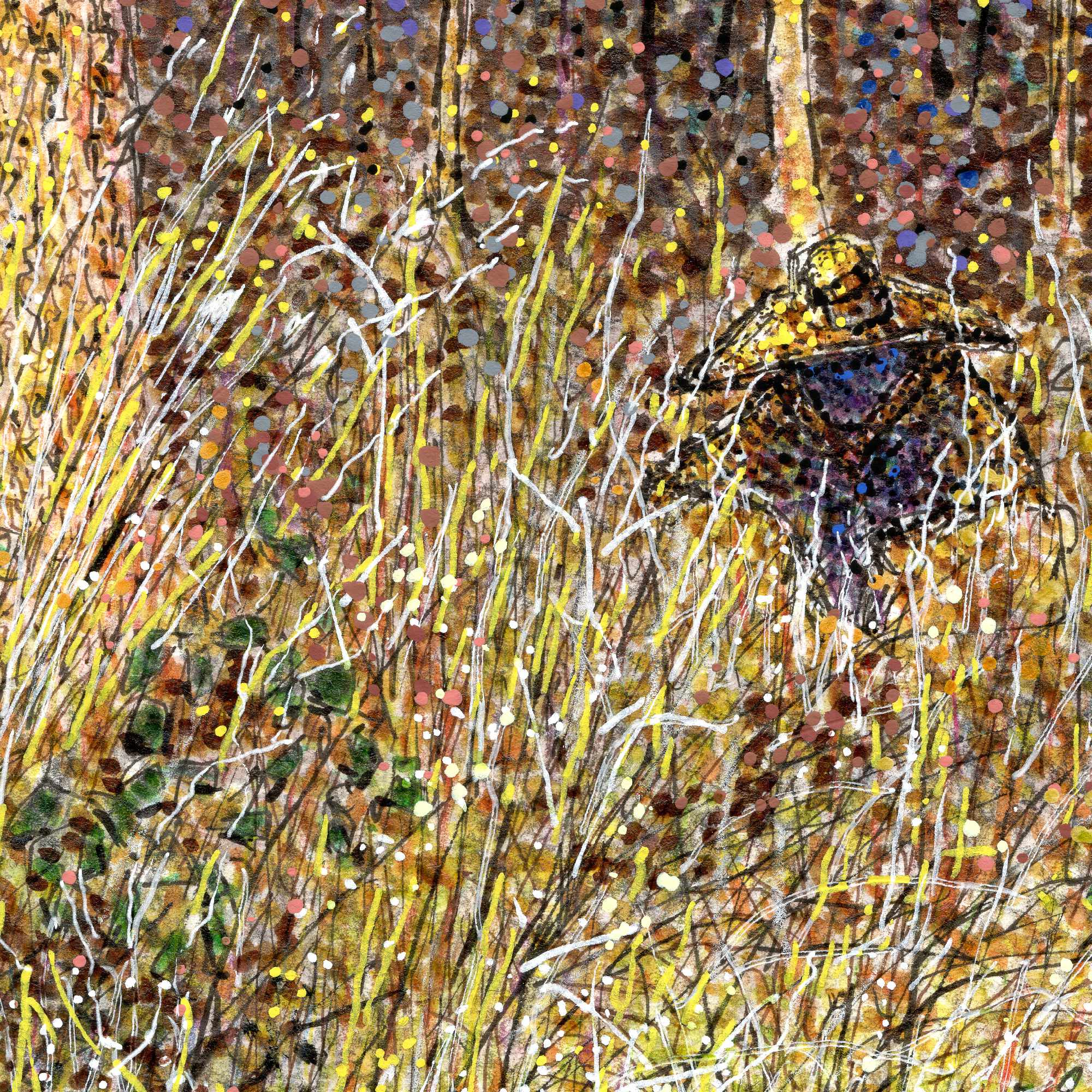
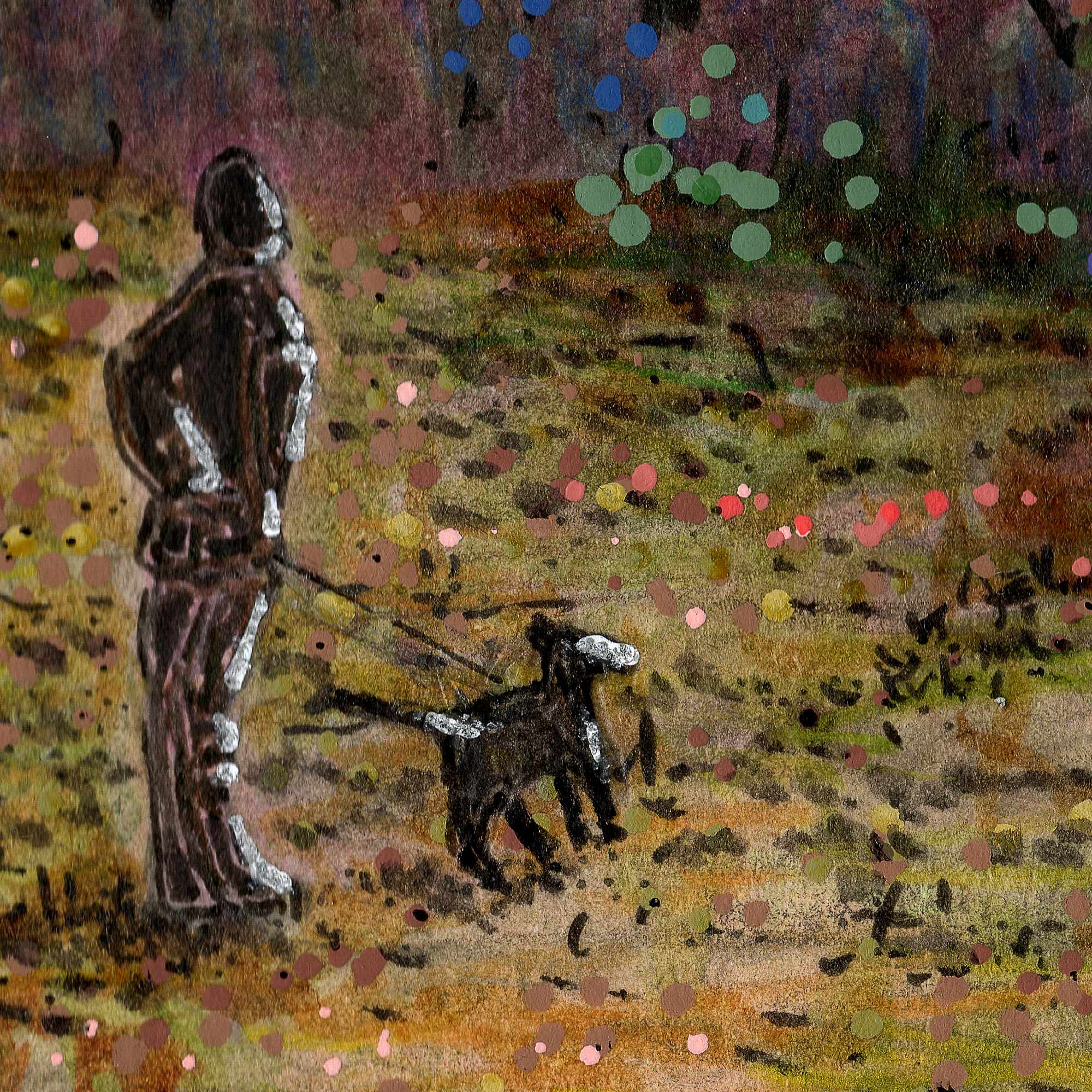
    This piece, based on an older photograph of a dense tree line and brush, relies on a highly textured mix of India ink, acrylic pens, and Pigma fine liners. To capture the thick, almost claustrophobic atmosphere of the undergrowth, I combined sharp, vertical scratches for the tall grass with heavy, vibrating dots of color. The optical mixing of the bright yellows and oranges in the foreground against the deep, heavy purples and blacks of the background gives the entire scene a buzzing, nocturnal energy.

    But this isn’t just a landscape study. If you look closely at the middle-right side of the composition, tucked away in the tall grass, there is a cloaked figure wearing a wide-brimmed yellow hat.

    I rendered this figure using the exact same pointillist and linework techniques as the surrounding environment, perfectly camouflaging them into the brush. Much of my work centers around the idea of being a “quiet observer” in rural, forgotten spaces. With this piece, I wanted to flip that dynamic. It introduces a subtle, eerie, Southern Gothic narrativeโ€”a reminder that when you are out observing the quiet edges of the world, sometimes you are also being observed.


  • Eveningโ€™s Quiet Unrest

    Eveningโ€™s Quiet Unrest

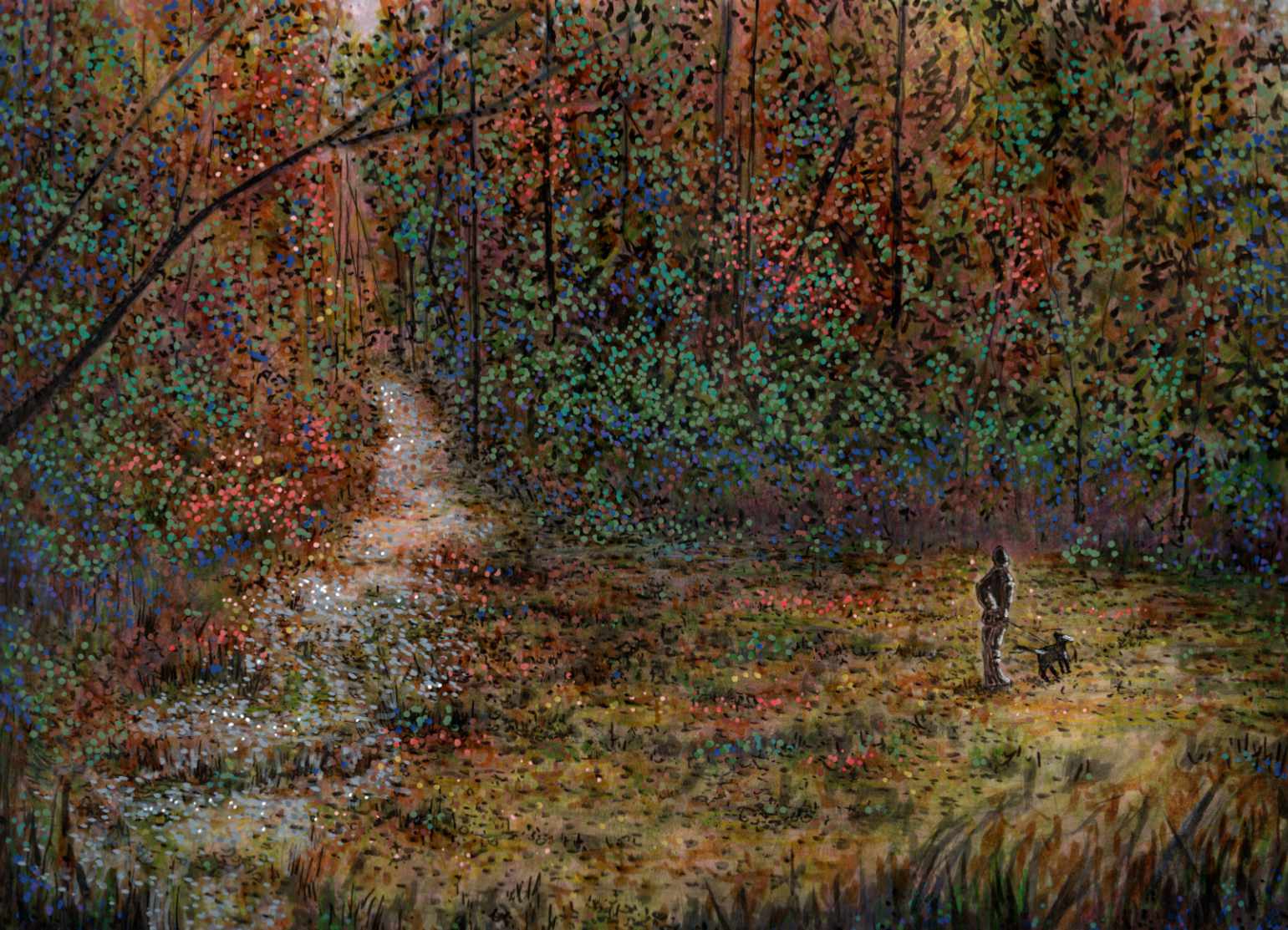
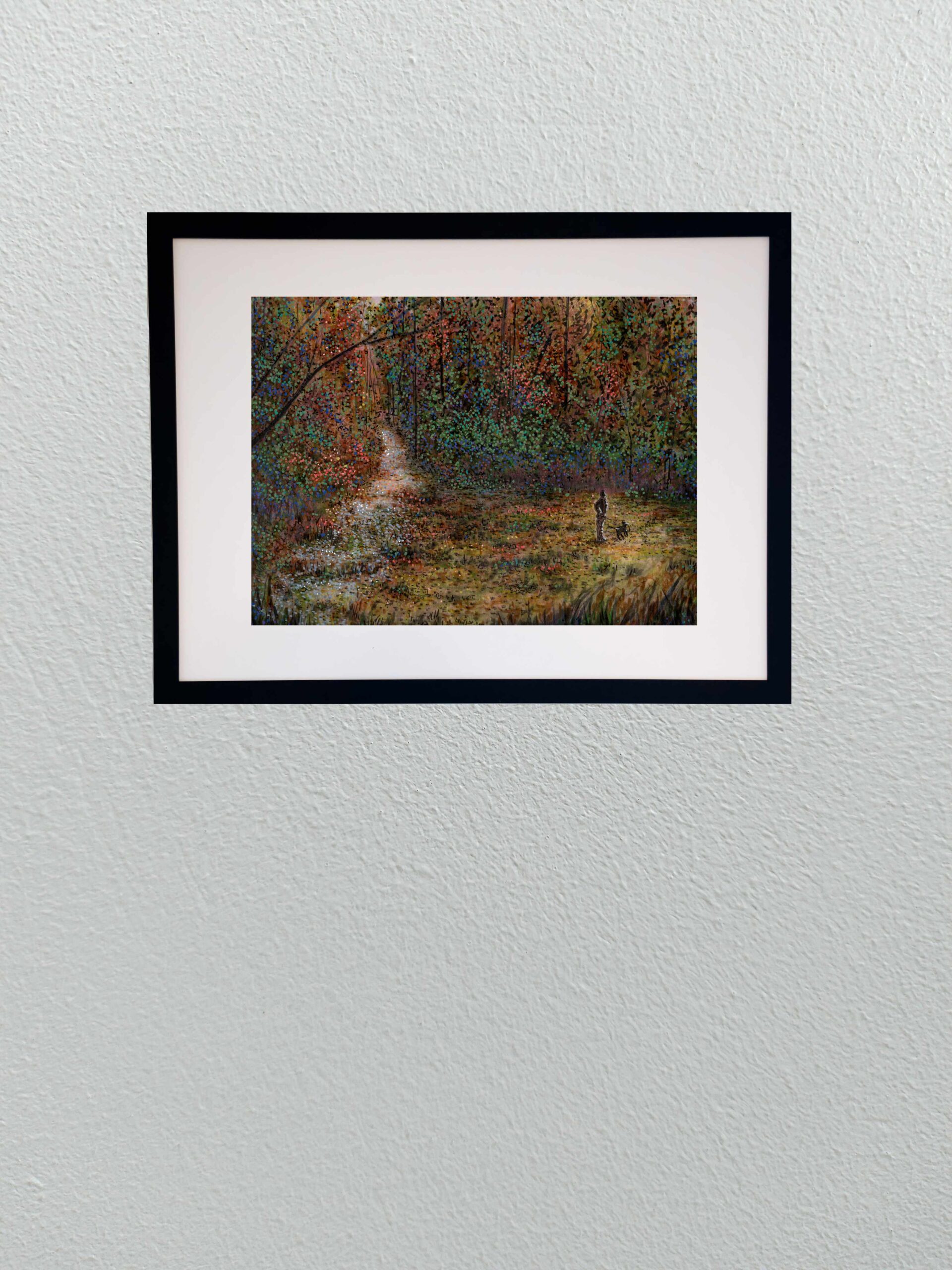
    Today I am sharing a new mixed media piece that explores a specific memoryโ€”twilight in a silent meadow. This composition, based on a low-light photograph taken a few years ago, was an exercise in capturing a delicate visual tension. The scene possesses a profound tranquility, yet beneath that stillness lies something subtly unsettlingโ€”a feeling I wanted to preserve and amplify.

    While the original photo provided the structure and the quiet posture of the figure, the translation to paper was driven entirely by a need to dictate emotional weight through medium. I build the density and movement in the foreground undergrowth through networks of energetic, scratching lines using Sakura fineliners and Faber-Castell Pitt pens, contrasting against the still, flat fields of color in the sky.

    By utilizing a Post-Impressionist or Synthetist paletteโ€”swapping natural colors for a heavy, low-light atmosphere of muted purple, cool blue, and an unnerving yellow-greenโ€”I aimed to create a psychological filter. This piece combines the raw texture of graphite and ink from my earlier studies with the bold, non-naturalistic color blocking I’ve been exploring recently. It is a portrait of solitude, suspended in a vibrating, eerie twilight.

    Technical Details:

    • 9×12 140lb cold press
    • Faber-Castell Pitt pens
    • Shuttle Art paint pens
    • Staedtler Pigment Liner
    • Sakura Pigma

  • Rockwell Church Farmhouse

    Rockwell Church Farmhouse

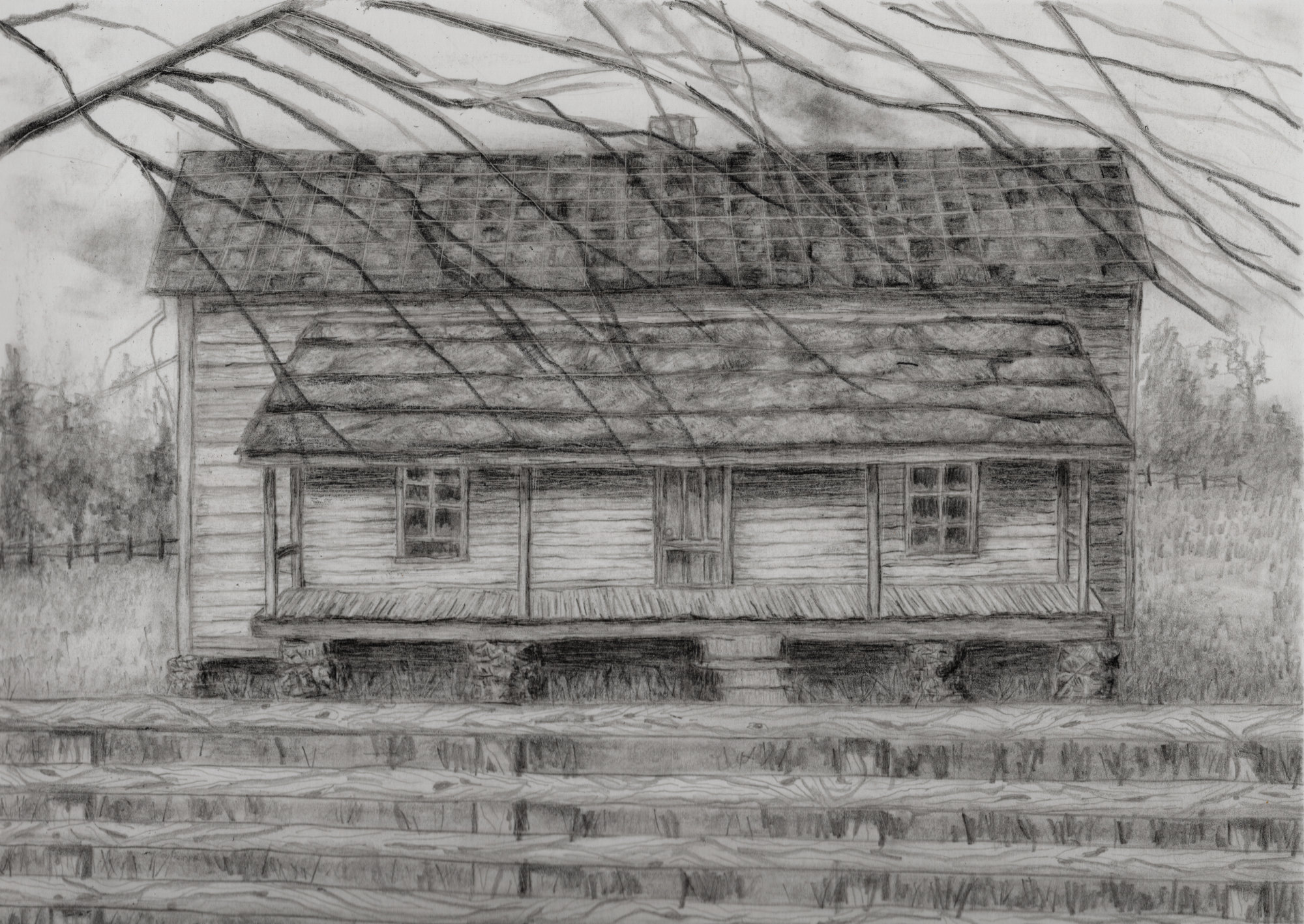
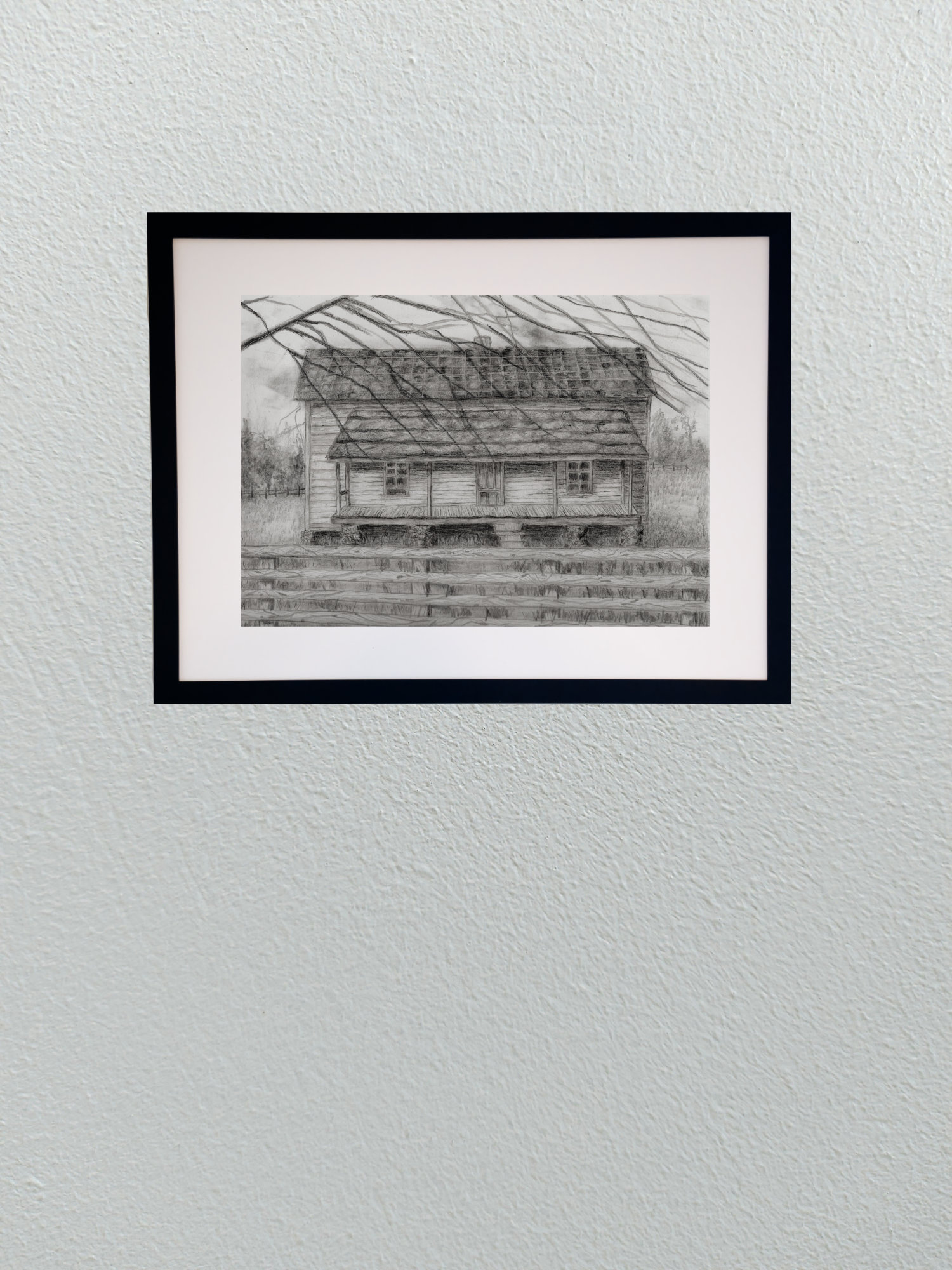
    I am sharing another graphite piece today that keeps us grounded in Barrow County, Georgia. Not far from the historic church I sketched recently sits this abandoned farmhouse, quietly decaying along Rockwell Church Road.

    Like much of my work, this drawing began as a photograph taken through the lens of my Pentax. There was something immediately striking about the isolation of the structure. For the translation to paper, I chose Staedtler Mars Lumograph pencils. The grading of these pencils allowed me to push the contrast, digging into the heavy, dark textures of the weathered siding and the deep, impenetrable shadows lurking beneath the covered porch.
    To enhance the feeling of quiet observation, I emphasized the barren, skeletal tree branches sweeping across the foreground. They act as a natural frame, pushing the farmhouse further back into the landscape and adding to that subtle, Southern Gothic atmosphere that permeates these forgotten spaces. It is a study in texture, memory, and the slow reclamation of rural architecture.
    Technical Details:

    • 9×12 hot press Fabriano
    • Staedtler Mars Lumograph pencils

    Rockwell Church Farmhouse-Distance1
  • Spring Vetch

    Spring Vetch

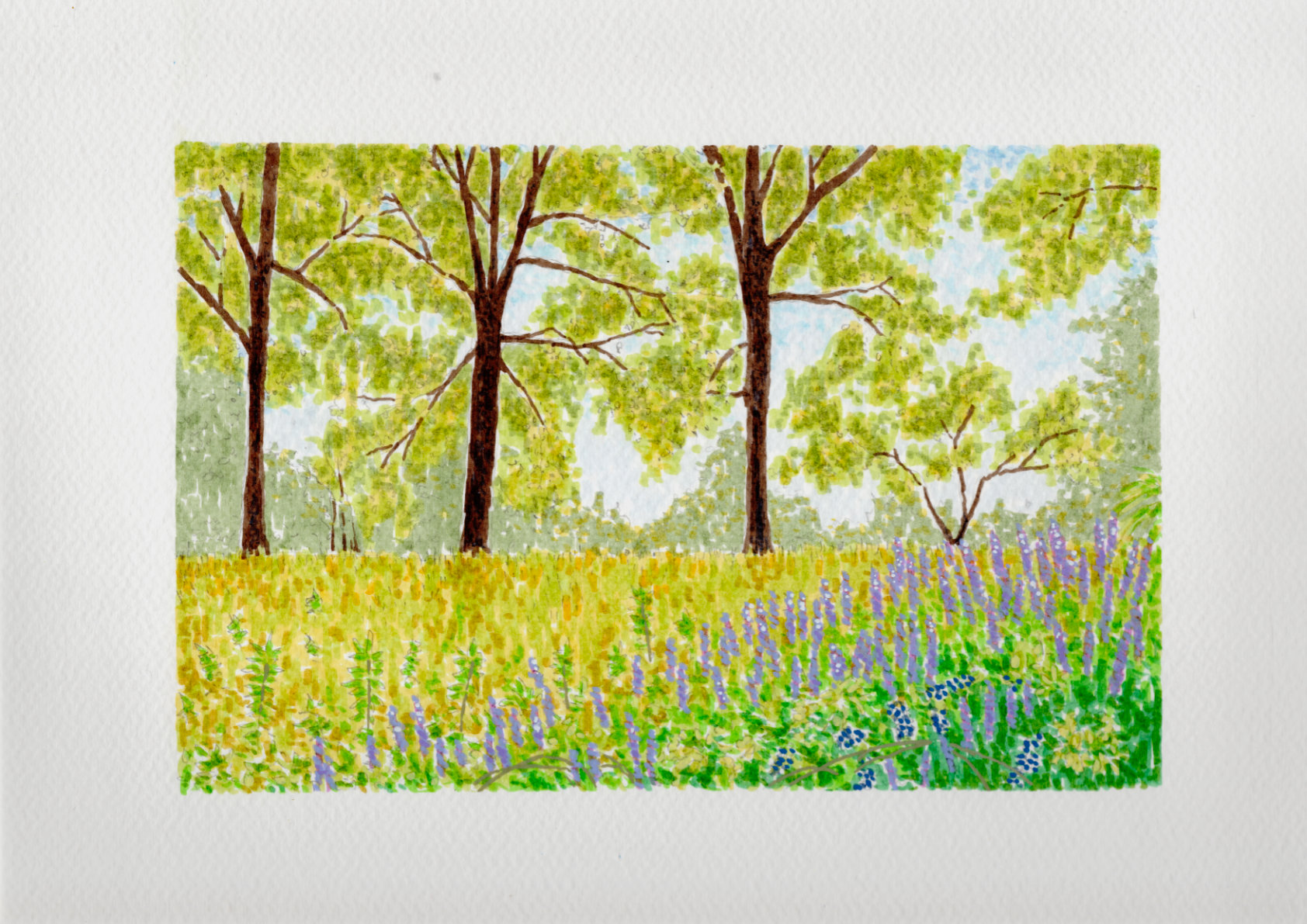
    This study captures a spring field in Georgia, where the greens and yellows feel like they arrived overnight. I used India ink to build the colors in layers, following an Impressionist approach where the depth emerges slowly through repeated marks rather than solid lines. Against that translucent ink, I used acrylics sparingly as a solid, opaque counterpoint.

    I applied them specifically to the purple vetch in the foreground and a few select leaves to give the eye a place to land. The cold press paper captures and holds the ink exactly where I want it, keeping the pigment in place while allowing just the smallest edges to blend into the tooth. Itโ€™s a fast, rhythmic way to work that records the spirit of the place without getting bogged down in every individual blade of grass.

    Technical Details:

    • 8×10 140lb cold press
    • Sakura Pigma pens
    • Faber-Castell Pitt pens
    • Acrylic swipe
  • Roadside Blue

    Roadside Blue

    We pass these structures every day on the backroads of Georgiaโ€”weathered barns settling slowly into the landscape. This piece comes from a reference photo I snapped years ago, capturing the specific texture of the vertical siding and the tin roof.
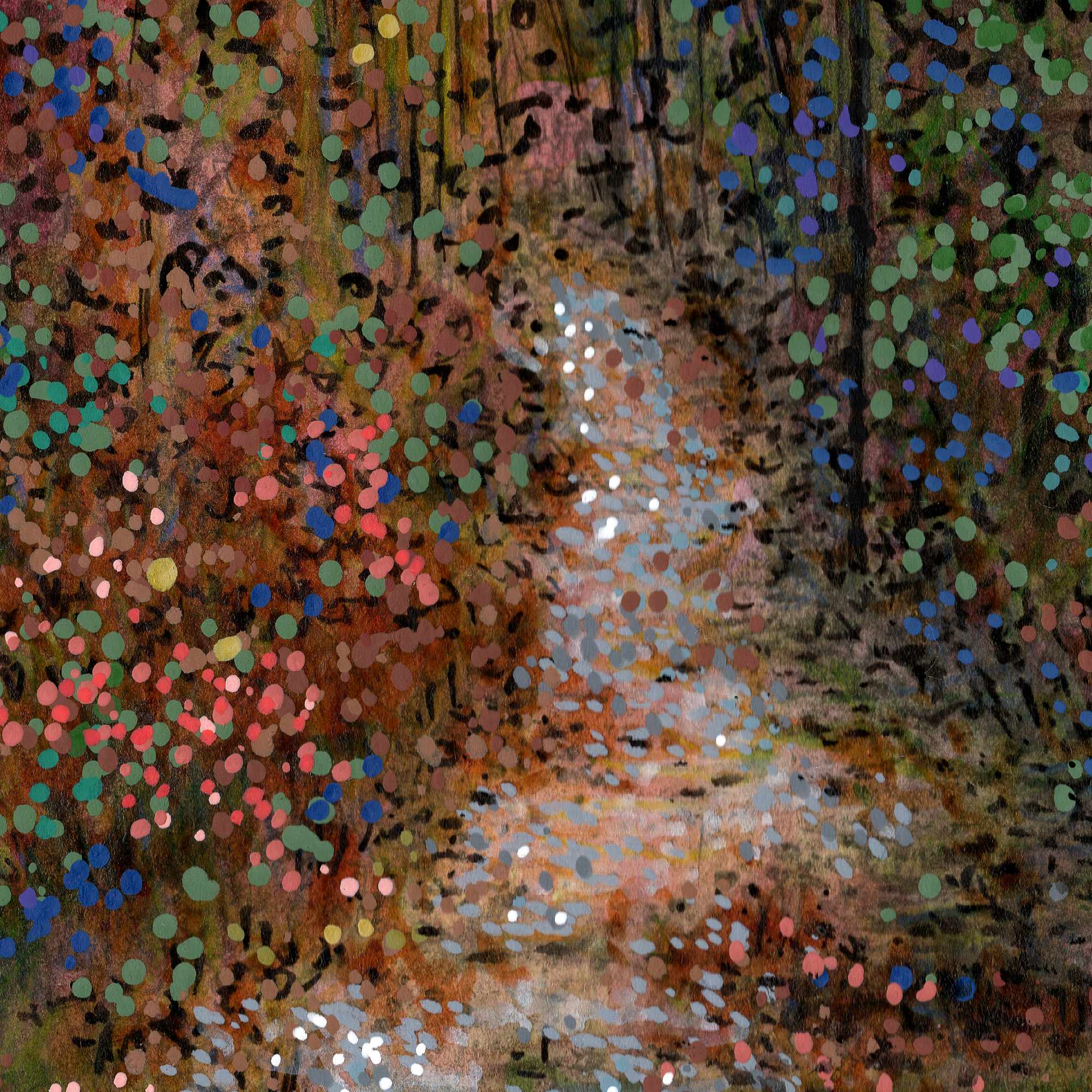
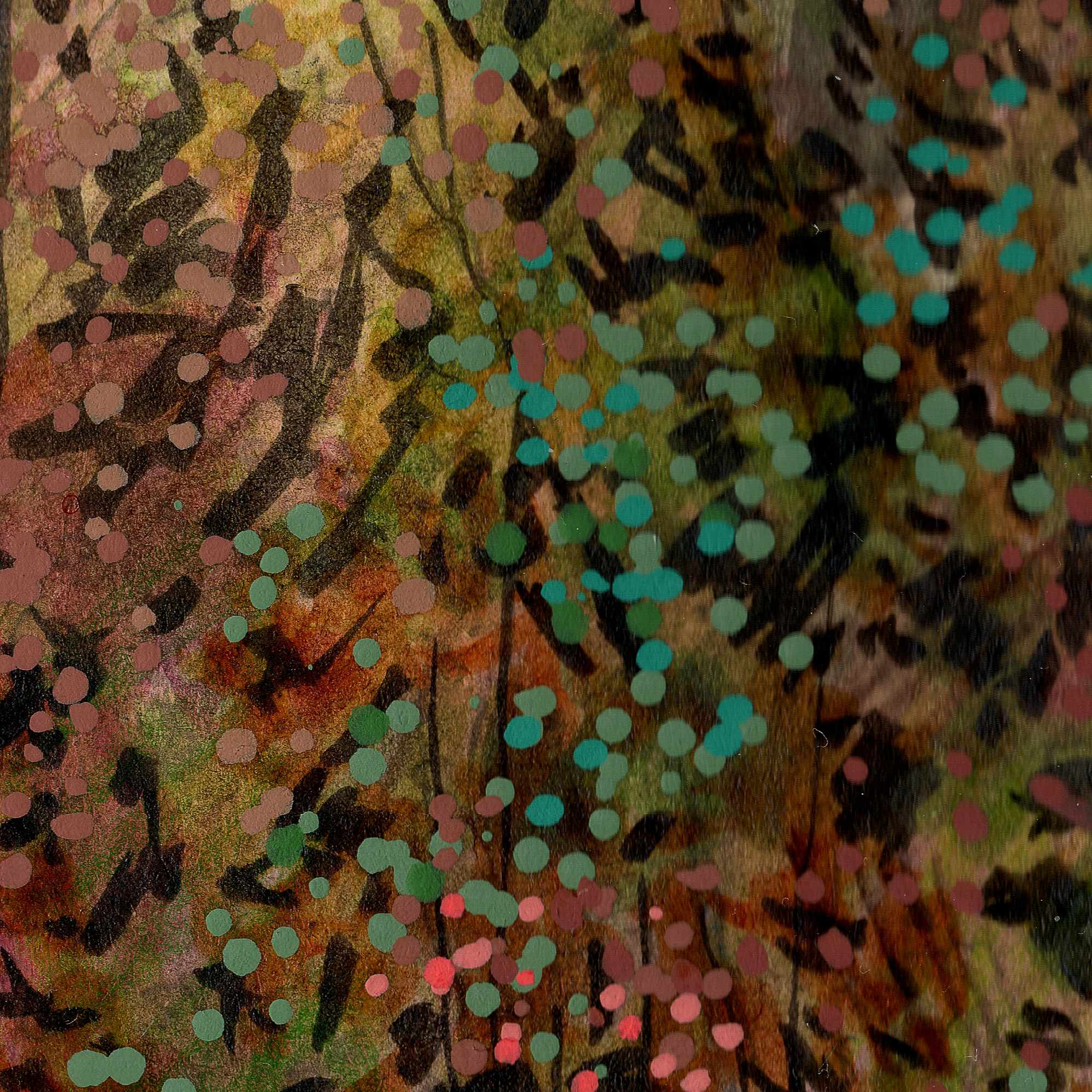
    For this study, I wanted to contrast the intricate, scratchy pen work of the aged wood with a bold, abstract splash of blue. It pushes the sketch beyond a simple observation into something more graphic and modern. A memory of the road, captured in ink.

    Technical Details:

    • 6×9 140lb cold press
    • Sakura Pigma pens
    • Acrylic swipe
  • A Fleeting Thought, Held

    A Fleeting Thought, Held

    This piece explores the visual and emotional dialogue between the enduring and the fleeting. The foreground is dominated by a vibrant bloom of bluebonnets, rendered with a delicate touch to emphasize their ephemeral nature โ€“ like a beautiful, transient thought taking tangible form. Their cool tones offer a moment of respite within the overall warmth of the composition, a temporary splash of serenity.

    The choice of a strong, almost cadmium orange-yellow for the sky was deliberate. It serves to create a sense of visual tension, a feeling of being enveloped or even constricted by the intensity of the atmosphere. This deliberate contrast in color and feeling aims to highlight the preciousness and temporary nature of the bluebonnets, making their ephemeral beauty all the more poignant against the persistent, almost weighty sky.

    Technical Details:

    • 9×12 140lb cold press
    • Sakura Pigma pens
    • Acrylic brush and swipe
  • Flowers and Undergrowth

    Flowers and Undergrowth

    I am sharing a new piece today that steps away from the ink and mixed media for a moment to focus entirely on pure pencil work. There is a specific kind of quiet intimacy that comes with a graphite studyโ€”it feels like a direct, unfiltered look into the sketchbook.

    This drawing is a study of the wild, tangled details of the undergrowth. My main goal was to play with extreme contrast and negative space. By heavily shading the background to create a deep, soft, almost hazy shadow, I was able to push the untouched white of the cold press paper forward. This allows the delicate petals of the flowers to catch the light and practically glow against the darkness.

    To keep the composition from feeling too heavy, I used sweeping, thin lines for the tall grasses. That fine linework gives the piece a lot of kinetic energy, which balances perfectly against the heavier, more textured shading in the centers of the blooms.

    It is a quiet observation of the forest floor, relying entirely on shifting values to find the light hidden in the shadows.

    Technical Details:

    • Mitsubishi graphite pencils
    • 9ร—12 140lb cold press